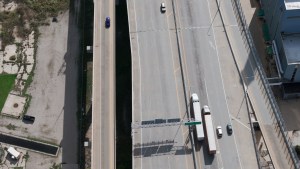

Aurora Innovation has launched its second driverless trucking route — a 600-mile corridor from Fort Worth to El Paso — signed a restaurant supply chain deal with McLane Company after logging 280,000+ autonomous miles with 100% on-time delivery, and is targeting Q2 2026 observer-free deployments on the International LT Series. The pace of expansion is unlike anything the autonomous trucking space has produced before. Here is what the data actually says — and what it means for independent carriers and dispatchers watching the Class 8 transition.
The Fort Worth–El Paso Route: Aurora’s Fastest-Ever Market Expansion
Aurora’s first commercial driverless route launched between Dallas and Houston in April 2024. The second route — Fort Worth to El Paso, approximately 600 miles — was announced and launched in 2025, making it the fastest scaling to a second market in the history of the U.S. self-driving industry. The El Paso corridor subsequently connected westward to Phoenix in partnership with Werner Enterprises, extending Aurora’s driverless network across the southern tier of Texas and into Arizona. Aurora has also begun nighttime autonomous operations in Arizona, a milestone that removes the daylight-only constraint that has limited AV trucking’s freight-hours coverage since the beginning of commercial operations.
Current active driverless routes as of May 2026 include Dallas–Houston, Fort Worth–El Paso, El Paso–Phoenix, Fort Worth–Phoenix, and Laredo–Dallas. FreightWaves’ coverage of the El Paso expansion confirms that Aurora is operating commercially — not in a test or supervised mode — on all of these corridors.
The McLane Deal: 280,000 Autonomous Miles, 1,400 Loads, 100% On-Time
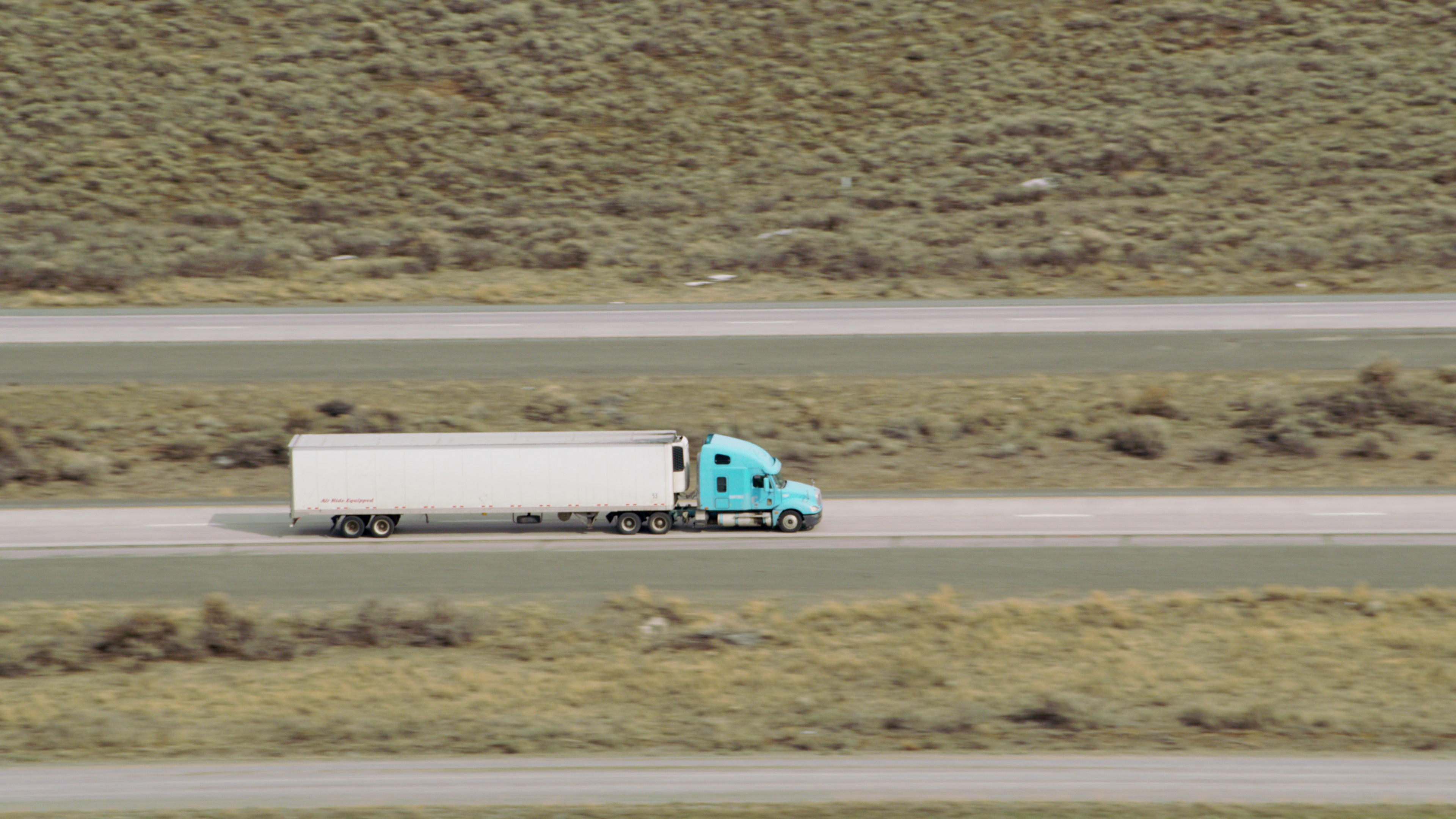
On May 6, 2026, Aurora and McLane Company — one of the largest U.S. wholesale distributors, serving McDonald’s, Walmart, and other major restaurant and convenience chains — announced a partnership to bring driverless trucks to the U.S. restaurant supply chain. The announcement was grounded in a completed operational track record: Aurora’s trucks had already logged more than 280,000 autonomous miles for McLane, delivering 1,400 loads between Dallas and Houston with 100% on-time performance. Based on that record, McLane approved the transition to fully driverless operations on the Dallas–Houston corridor.
The McLane deal is significant for a reason beyond the volume numbers: it demonstrates that a major, risk-averse enterprise shipper — one that cannot afford service failures across a restaurant supply chain — has evaluated Aurora’s autonomous performance and approved full driverless deployment. TechCrunch’s coverage of the McLane partnership describes it as a meaningful commercial milestone that goes beyond the pilot phase that has characterized most AV trucking partnerships to date.
“Based on this record of safely delivering goods with 100% on-time performance, McLane approved the transition to driverless operations between Dallas and Houston.”
— Aurora Innovation press release, May 6, 2026
Q2 2026 Targets: Observer-Free Deployments and Hundreds of Next-Gen Trucks
Aurora’s Q2 2026 operational targets are the clearest signal yet of how rapidly the commercial AV trucking transition is moving. The company plans to deploy without a partner-requested observer on the International LT Series — meaning no safety driver, no monitoring personnel, and no human presence in the cab — within the current quarter. Aurora has also announced plans to deploy hundreds of driverless trucks with its next-generation Aurora Driver hardware in 2026, with the hardware platform currently being integrated with the International LT Series and other Class 8 platforms. CCJ Digital’s coverage of Aurora’s Texas network expansion describes the scale of 2026 deployment as unprecedented in the industry’s history.
- Current driverless routes (May 2026): Dallas–Houston, Fort Worth–El Paso, El Paso–Phoenix (Werner), Fort Worth–Phoenix, Laredo–Dallas — five corridors, all fully commercial driverless operations.
- McLane partnership: 280,000+ autonomous miles, 1,400 loads delivered, 100% on-time performance; driverless operations now approved on the Dallas–Houston corridor for restaurant supply chain freight.
- Hirschbach Motor Lines MoU: Non-binding MoU to deploy 500 Aurora Driver-powered trucks starting in 2027 under a Driver-as-a-Service model — the largest committed Class 8 AV order to date.
- Nighttime operations: Aurora has begun autonomous nighttime operations in Arizona, extending freight-hours coverage beyond the daytime window that previously constrained AV trucking productivity.
- Q2 2026 observer-free deployment: Aurora plans to run without any partner-requested observer on the International LT Series within Q2 2026 — the clearest operational milestone since the first commercial driverless launch in April 2024.

What Aurora’s Expansion Pace Means for Independent Carriers and Dispatchers
The AV trucking transition is happening fastest on the long-haul Texas corridor — the most freight-dense, most driver-shortage-affected, most fuel-cost-sensitive lane network in the country. For independent carriers and dispatchers, the near-term implication is not displacement: Aurora’s current fleet is in the dozens-to-low-hundreds range on routes where total lane volume is measured in thousands of daily truck trips. The medium-term implication is that large enterprise shippers — McLane, Hirschbach’s shipper base, Werner’s shipper base — are now validating AV performance at commercial scale, which will accelerate shipper adoption curves in 2027–2028. Independent carriers who understand the AV adoption timeline, the lanes where it concentrates, and the freight types it prioritizes (long-haul, dry, predictable schedules) will be better positioned to adapt their carrier mix and lane strategy before the transition reaches their primary freight corridors.