
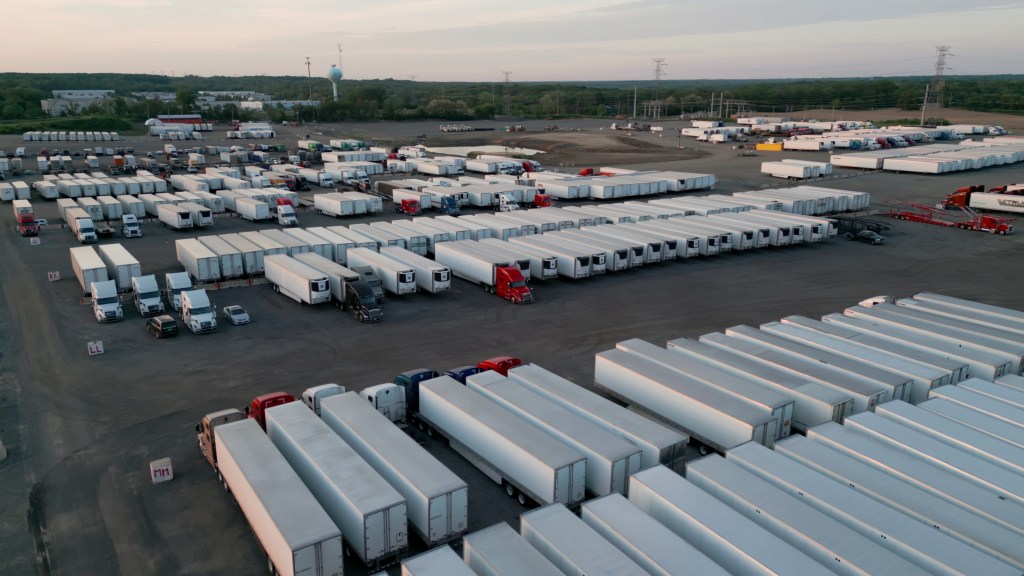
A fresh wave of small carrier bankruptcies is sweeping the U.S. trucking sector, with a dozen companies filing for Chapter 11 or Chapter 7 protection in the past three weeks — including NV Freight, Inc. of the Chicago area with 52 tractors and liabilities up to $10 million, Bound Logistics LLC of New Jersey with 57 trucks, and National Road Logistics LLC, a Southern California drayage carrier focused on port and intermodal freight. The filings span jurisdictions from California and Texas to Illinois and Florida, and involve operators ranging from single-truck owner-operators to mid-sized regional fleets. For independent dispatchers who have any of these carriers in their active networks, each bankruptcy represents a load in motion risk and a carrier relationship that must be managed immediately.
- Small and mid-sized carriers are failing after drawing down savings and deferring maintenance while facing elevated fuel, insurance, and financing costs.
- Elevated diesel prices and insurance premium increases are squeezing margins, preventing recovery despite spot rate headline improvements.
- Many recent filings are Chapter 7 closures, removing capacity permanently and sending trucks and trailers into the used equipment market.
- Independent dispatchers must audit carriers, run SAFER checks, verify insurance, and limit advance payments on carriers showing distress signals.
- Capacity contraction from liquidations could tighten markets and support demand-driven rate improvement in the second half of the year.
What Is Driving the 2026 Bankruptcy Wave
The current wave of carrier failures is not a single-cause event. FreightWaves documented the pattern in detail: carriers that survived the 2023–2024 freight downturn by drawing down savings, deferring maintenance, and cutting rates to keep trucks moving are now exhausting the last of their financial runway as operating costs — particularly fuel and insurance — remain elevated. The carriers hitting the wall today are not necessarily the weakest operators. Many are small fleets that were financially stable through 2022 but could not sustain three consecutive years of compressed margins without access to the working capital that larger carriers manage through factoring programs, credit lines, or contract freight commitments.
The cost structure for small carriers in 2026 is brutal. Diesel at $5.40 per gallon nationally has not retreated as many operators expected. Insurance premiums for small commercial fleets have increased 18 to 22 percent year-over-year in several states due to nuclear verdict litigation exposure. Equipment financing costs remain elevated. And spot market rates, while showing headline improvement due to fuel cost absorption, are not delivering the net-of-fuel margin improvement that struggling carriers need to restore financial stability. IFA Commercial Factor’s analysis of the 2024–2025 carrier failure cycle warned that 2026 could bring one final wave of failures as late-cycle operators run out of runway — and that projection appears to be playing out in the April–May filing data.
The Filings: Who Has Filed and Where
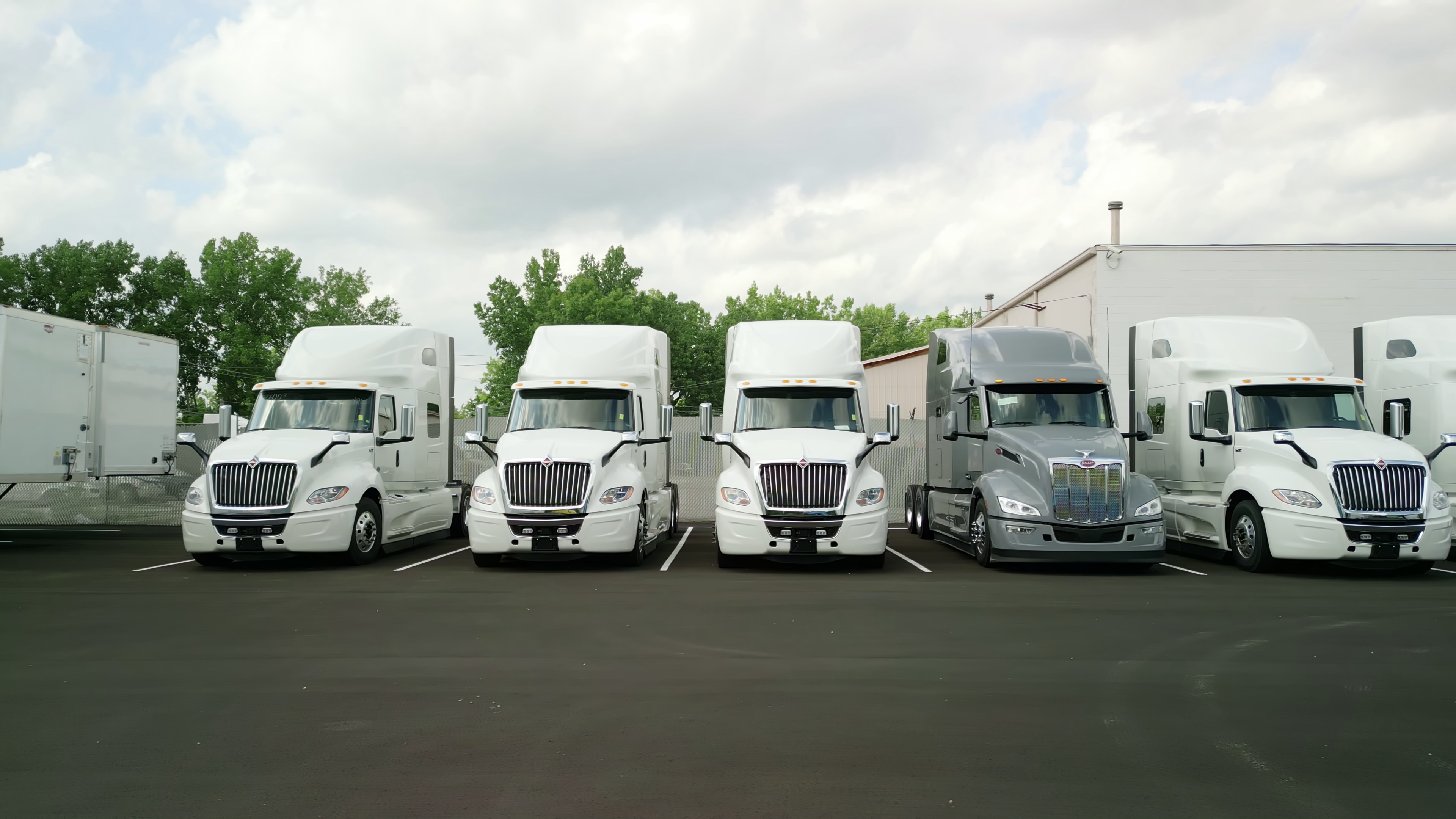
The filings reported by FreightWaves’ bankruptcy coverage include Liberty Carriers Inc., NAS Logistics LLC, Golden Spirit Freight LLC, NV Freight Inc. (52 tractors, Chicago area, liabilities up to $10 million), Star One Transport LLC, PSS Trucking Inc., Bound Logistics LLC (57 trucks, District of New Jersey, one of the largest fleet-size filings in this wave), and National Road Logistics LLC (Southern California drayage, port and intermodal focus, mounting debts tied to lease obligations and contract disputes). The majority of the Chapter 7 filings represent closures rather than restructurings — meaning trucks, trailers, and driver relationships are being permanently dissolved, not reorganized.
The geographic spread of the filings is notable. California, Texas, Illinois, Florida, and New Jersey are all represented, which means the stress is not concentrated in a single freight market or regional economy. Multi-state distribution of failures at this pace suggests a systemic small-carrier financial condition rather than a regional freight market disruption. TheStreet’s coverage of the 12-firm wave noted that both the Chapter 7 closures and the Chapter 11 restructuring attempts reflect operators at fundamentally different stages of financial distress — those who believe recovery is possible and those who have concluded it is not.
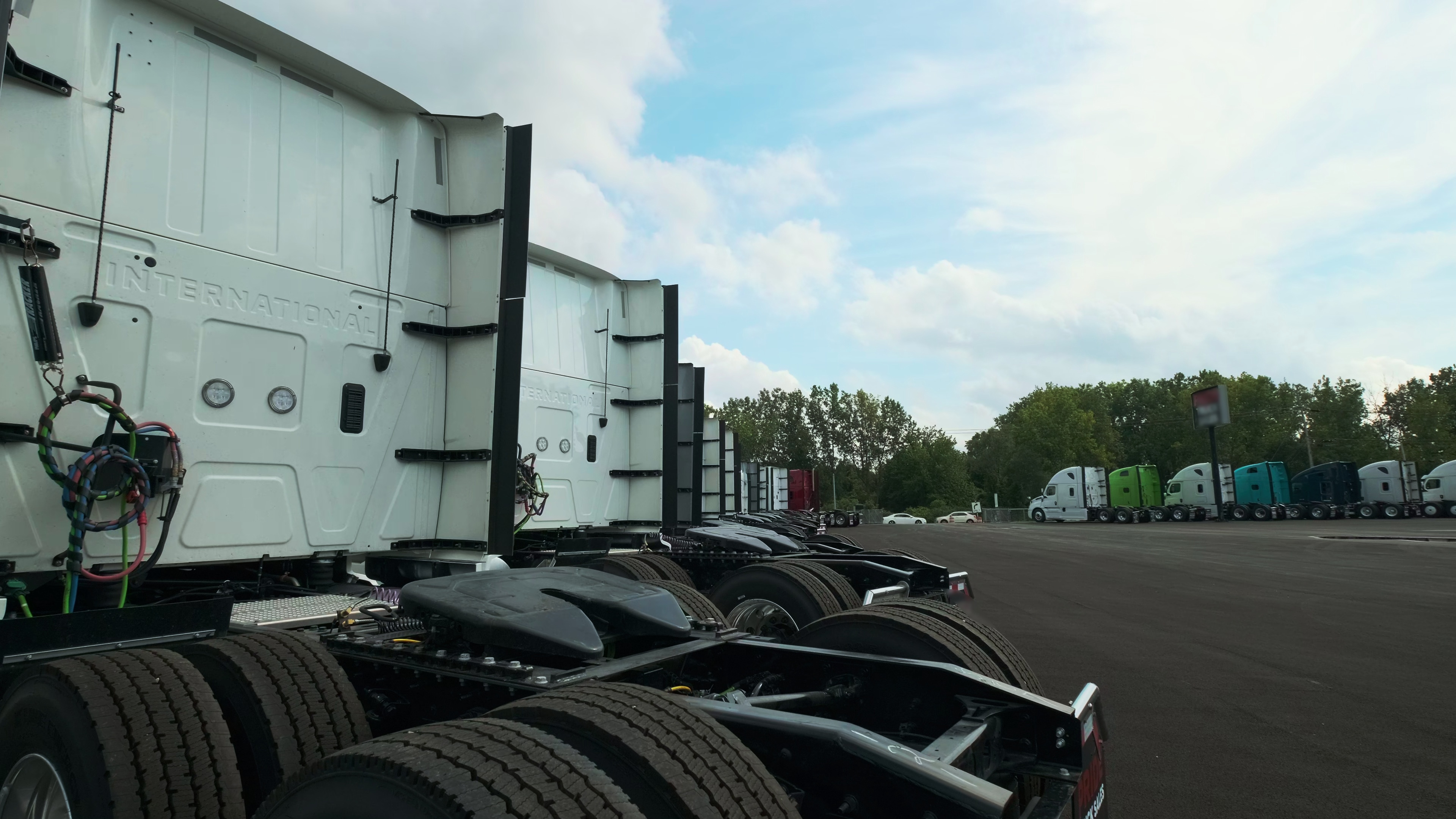
“From single-truck operators to mid-sized fleets, carriers across the U.S. are filing for bankruptcy as the freight downturn persists. The majority of filings are Chapter 7, signaling closures rather than restructurings — permanent capacity removal from the market.”
— FreightWaves Bankruptcy Coverage, April-May 2026
What Independent Dispatchers Must Do Now
When a carrier in a dispatcher’s active network files for bankruptcy, the immediate risks are: loads currently in transit on active rate confirmations, unpaid advances or fuel card balances, and the reputational exposure if a shipper’s freight is stranded. The practical response is to audit every active carrier relationship for the financial stress signals that precede a filing. Carriers who are consistently slow to respond to check calls, asking for advances on loads they haven’t picked up yet, or reporting equipment issues they don’t seem to be addressing are displaying financial distress behavior. None of these signals is conclusive, but a cluster of them warrants proactive vetting.
- Run a SAFER check on every active carrier today. Look for any change in operating status, authority revocations, or pending out-of-service orders that might indicate a carrier approaching shutdown. A carrier who files bankruptcy this week will have their operating authority revoked shortly after.
- Verify insurance certificates are current on every active carrier. Carriers in financial distress sometimes allow insurance to lapse or downgrade coverage before filing. A lapsed insurance certificate is a stop-work signal — not a paperwork reminder.
- Limit advance payments on carriers showing distress signals. Standard practice is to pay 100% on delivered and POD-confirmed loads. If a carrier is asking for upfront advances before pickup, that is a cash flow stress indicator.
- Build redundancy into lanes served by single-carrier relationships. Any lane where you have only one carrier option is a single point of failure. The bankruptcy wave is a reminder to maintain at least two qualified carriers per active lane.
- Keep written load tracking documentation on every load in transit. If a carrier files mid-delivery, you will need detailed records of where the freight is, the carrier’s contact information, and the shipper’s cargo insurance details to manage the recovery.

The Market Signal Behind the Filings
Each Chapter 7 closure permanently removes trucks from the active carrier pool. Unlike Chapter 11 restructurings, where equipment stays on the road under new financial arrangements, Chapter 7 liquidations move equipment into the used market and eliminate the operational capacity permanently. Across a wave of a dozen carriers involving several hundred trucks, the aggregate effect is a measurable tightening of available capacity in the markets and lane types those carriers served. For independent dispatchers managing carrier networks, the bankruptcies are simultaneously a risk management event and a recruitment opportunity: carriers in the same lane types and equipment categories as the failed operators are likely to see improved load availability and, eventually, improved rates as the market absorbs the capacity reduction. FreightWaves’ broader 2026 market outlook suggests that the combination of government-driven CDL qualification enforcement and ongoing small-carrier failures may collectively tighten capacity enough to produce genuine demand-driven rate improvement in the second half of the year — a meaningful shift from the fuel-driven rate inflation that has characterized the first half.