
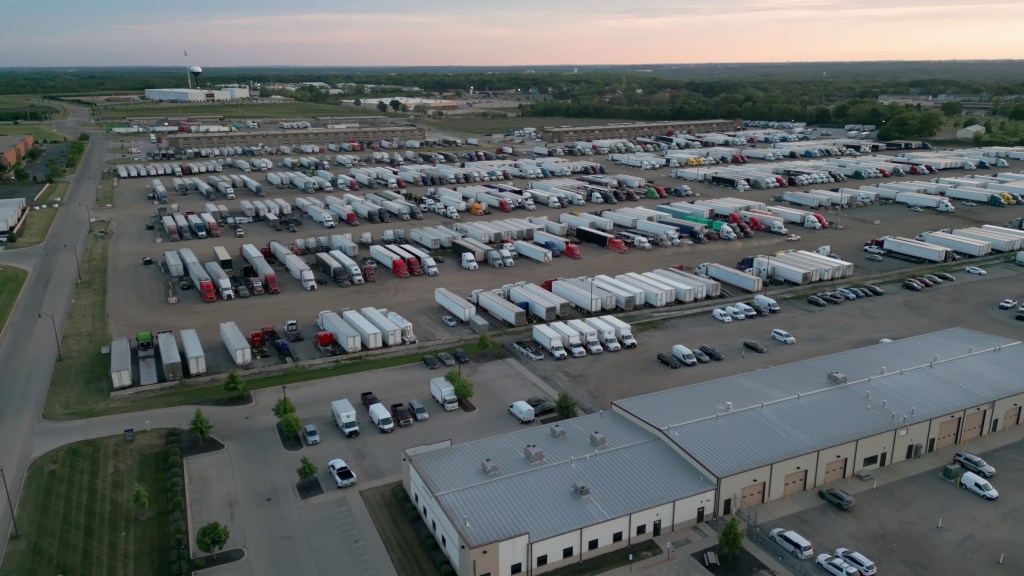
Another USPS contractor hub goes dark. Alan Ritchey — the family-owned freight and logistics operator that runs surface transfer hubs for the United States Postal Service — filed a Worker Adjustment and Retraining Notification (WARN) notice for the closure of its 511,200-square-foot Phillipsburg, New Jersey, distribution facility, with 176 layoffs taking effect July 17, 2026. The company lost the USPS contract that fed the building. Combined with the 729-employee Denver Regional Transfer Hub shutdown announced in January, Alan Ritchey has eliminated more than 900 jobs in the first four months of 2026.
- Alan Ritchey shut its New Jersey USPS surface transfer hub, removing contracted capacity from the Mid-Atlantic mail-handling network.
- Closure follows a pattern: USPS is consolidating hubs and bringing surface transportation operations in-house under its Delivering for America plan.
- The shutdown echoes earlier Denver hub closure, signaling broader contractor pullback and market reshaping in surface transportation.
- Independent carriers and dispatchers face both hiring opportunities and a need to diversify away from single USPS-dependent business models.
- Watch near-term signals: upcoming USPS operating report, union communications, and potential WARN notices from other contractors.
The Phillipsburg Closure — The Numbers
The Phillipsburg facility, completed in 2021, handled mail and freight logistics for the Postal Service’s Mid-Atlantic network. FreightWaves’ coverage of the WARN filing documents the affected workforce: forklift operators, shippers, dock workers, and supervisory staff. The 511,200-square-foot footprint is one of the larger USPS surface transfer facilities in the Northeast, and its loss removes a significant chunk of contracted capacity from the Mid-Atlantic mail-handling network. Patch’s local coverage notes that the WARN notice triggers New Jersey’s 90-day advance-warning requirement for layoffs of this scale.
The Pattern — USPS Pulls Logistics In-House
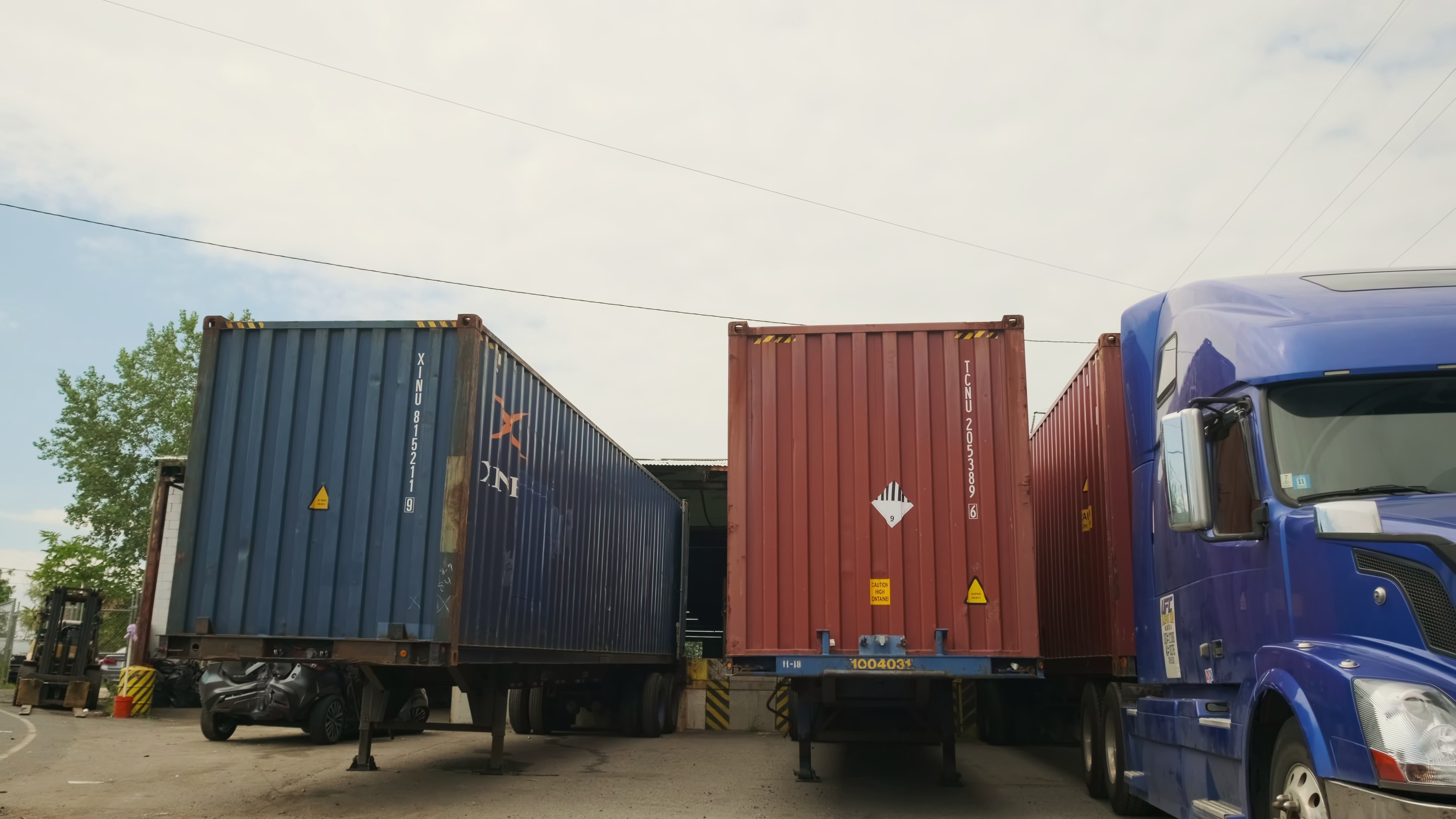
The Phillipsburg shutdown is the second of two major Alan Ritchey closures this calendar year, both tied to the same root cause. In January, the company announced it would lay off 729 employees at its Denver Regional Transfer Hub after the Postal Service opted to insource the operation as part of a broader network overhaul. FOX31 Denver’s reporting tied the Denver decision directly to USPS efforts to streamline logistics and reduce reliance on third-party contractors.
The pattern is not unique to Alan Ritchey. 10 Roads Express filed for Chapter 7 in 2024 after a similar USPS contract loss, and a handful of smaller Postal Service contractors have folded or downsized over the past 18 months. The Postal Service’s network consolidation plan — part of the agency’s longer-term Delivering for America roadmap — calls for fewer, larger Regional Distribution Centers, with surface transportation increasingly handled by USPS-operated equipment rather than contracted out.
“The move was tied to USPS efforts to streamline its logistics network and reduce reliance on contractors by consolidating transfer hubs and bringing operations in-house. Combined, the two events represent more than 900 job losses across Alan Ritchey’s network in 2026, highlighting the ripple effects of USPS restructuring on third-party logistics providers.”
FreightWaves — Carrier shutters New Jersey hub, cuts over 175 jobs
What This Means for Independent Carriers and Dispatchers
- USPS contracts are no longer a stable anchor. The legacy strategy of building a fleet around a single Postal Service contract has now produced two large-scale shutdowns in 18 months. Diversification across commercial freight is the only durable hedge.
- The 511,200 square feet of available distribution space changes the New Jersey real-estate market. Independent dispatch services and 3PLs evaluating Northeast warehouse space should track the Phillipsburg facility’s re-leasing trajectory — a 2021-built building at distress pricing is a real opportunity for the right operator.
- Driver labor displacement creates a recruiting window. The 176 displaced Phillipsburg workers and 729 Denver workers include CDL drivers, dock supervisors, and dispatch staff. Carriers in Pennsylvania, New Jersey, and Colorado have a hiring pool with USPS-grade operational discipline becoming available.
- USPS “surge” freight may move to commercial brokers. As USPS insources its primary network, peak-volume overflow has historically shifted to commercial freight networks. Independent dispatchers with lanes through the Mid-Atlantic and Front Range should track for new postal-adjacent freight opportunities.
- Watch for additional USPS contractor consolidations. If the pattern holds, additional WARN notices from second-tier USPS surface contractors are likely through the back half of 2026.
The Broader USPS Restructuring Context
The Postal Service has been telegraphing this shift for years. Under the Delivering for America plan, USPS has been consolidating processing operations into a smaller number of larger Regional Distribution Centers (RDCs) and replacing contracted surface transportation with agency-operated trucks and drivers. The Denver and Phillipsburg shutdowns are the visible edge of that transformation — the contracts that built mid-sized contractors over the last 15 years are systematically being unwound. TheTrucker’s reporting on the broader contractor pullback documents that the trend is reshaping the surface-transportation contractor market beyond just Alan Ritchey.
For dispatchers and carriers running into Pennsylvania, the Lehigh Valley, or the New York-New Jersey port cluster, the practical immediate impact is a near-term increase in available labor and equipment, paired with a longer-term reset of how USPS-adjacent freight gets contracted. The Phillipsburg facility has been one of the larger USPS surface hubs in the region for four years — its closure ripples through the Mid-Atlantic logistics ecosystem in ways that will keep showing up in Q3 and Q4 contracting cycles.

What to Watch in the Next 90 Days
Three near-term watch points: the July 17 effective date for the Phillipsburg layoffs (which is when displaced labor actually hits the regional market), the next USPS quarterly operating report (which will give the first official accounting of cost savings from the in-housing strategy), and any follow-on WARN notices from comparable USPS surface contractors. The American Postal Workers Union and Amalgamated Transit Union are both already publicly engaged on the contractor-displacement issue — watch their public communications for advance signal on additional facility closures. For independent dispatchers, the practical task this month is to update lane plans through the Lehigh Valley and to evaluate whether the displaced equipment and labor pool create new partnership opportunities through the second half of the year.