Autonomous trucking became measurably more concrete this week. On May 6, Aurora Innovation released its Q1 2026 business review and announced a commercial driverless deal with McLane Company — a wholly-owned subsidiary of Berkshire Hathaway — that moves real restaurant-supply freight on the Dallas-to-Houston corridor with a human observer in the cab who never operates the vehicle. The package put numbers behind a story that until recently leaned on adjectives: a 12-route Sun Belt network, a 200-truck year-end fleet target, an $80 million annualized revenue run-rate, and the second-generation hardware kit landing on the Paccar International LT platform. For independent carriers wondering when the autonomous lane stops being a press-release category and starts taking real freight off the spot market, May 6 was the day the question got a calendar.
The McLane Deal in Concrete Terms
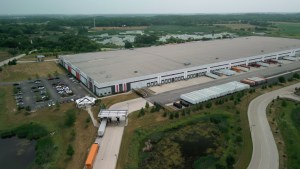
Per TechCrunch’s reporting and the Aurora press release, the Aurora-McLane deal works on a hand-off model: the Aurora Driver runs the long-haul portion between McLane terminals located right off the freeway in Dallas and Houston, then a McLane driver handles the last-mile delivery into restaurant clients. The structure converts long-haul into automated capacity while keeping the customer-facing leg human, which is the same split major dedicated fleets have been pushing pilots toward for two years. The May 6 announcement also disclosed a successful 1,400-load pilot with 100 percent on-time delivery as the basis for production approval.

The Numbers From the Q1 Print
- 200+ driverless trucks targeted in operation by year-end 2026 per Aurora’s Q1 release.
- $80 million annualized revenue run-rate targeted by year-end — up from a near-zero starting point twelve months ago.
- 12-route network across high-volume Sun Belt freight corridors, including validated driverless ops Dallas-Laredo and supervised autonomous ops Dallas-Oklahoma City.
- 7 driverless customer cohort following the McLane addition.
- Hirschbach planning for 500 Aurora-Driver tractors with deliveries beginning in 2027 per AI-Online’s coverage.
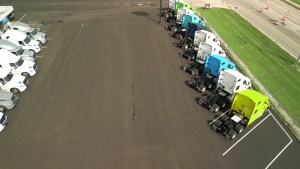
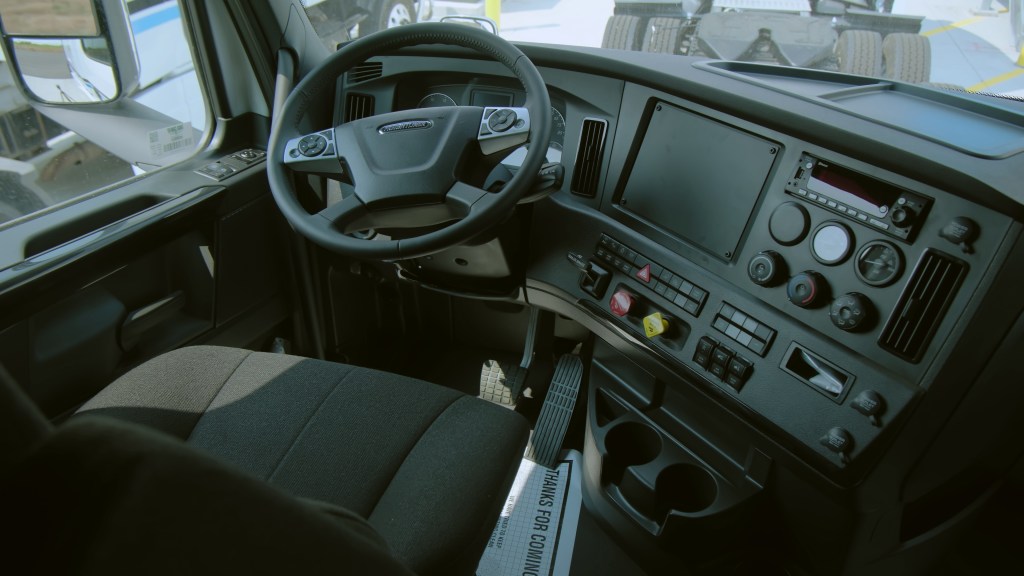
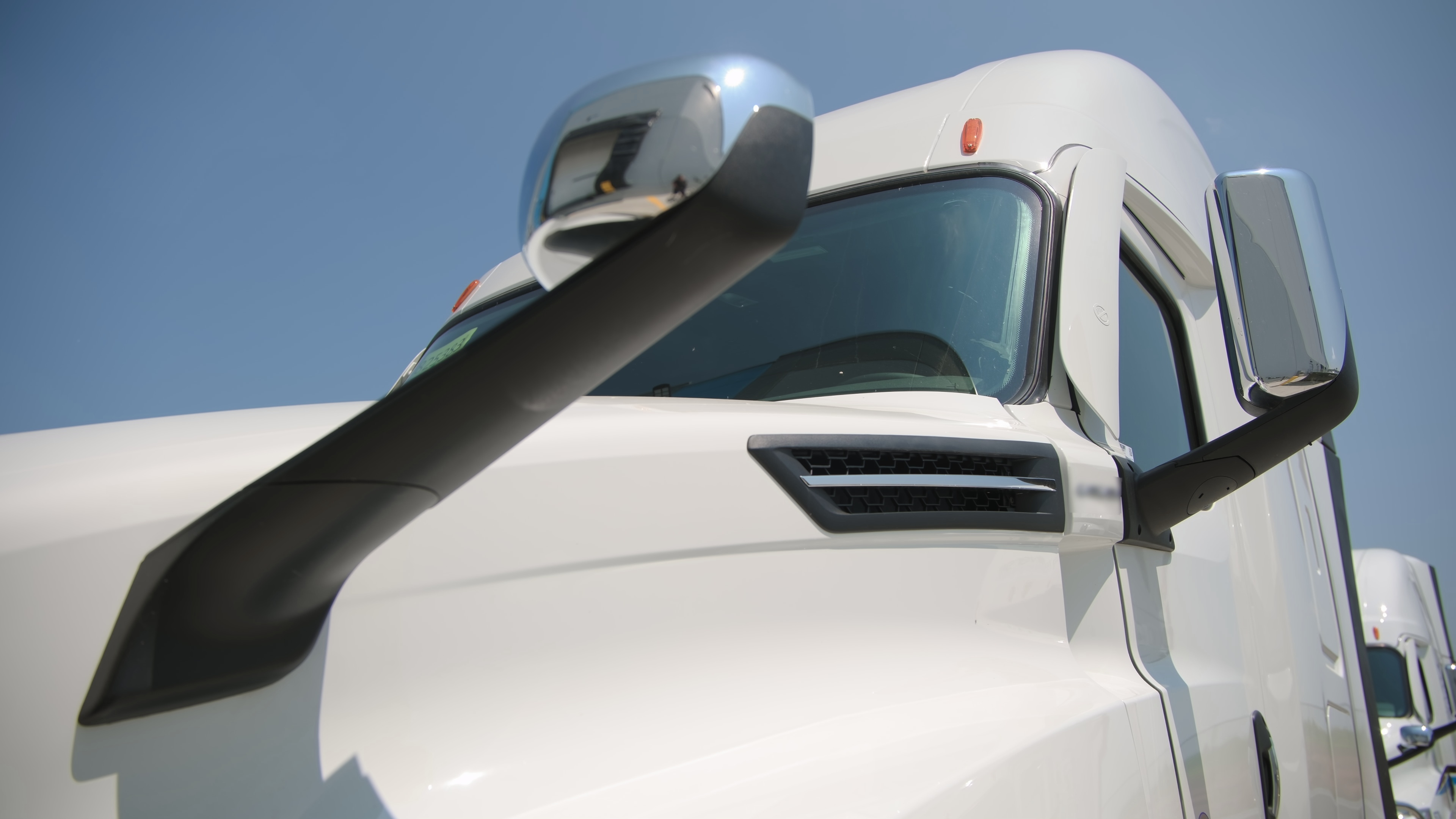
- Second-generation hardware kit launching in Q2 on the Paccar International LT — enables driverless operations without a partner-requested observer.
The handoff occurs at the company’s Dallas and Houston terminals located right off the freeway … the Aurora Driver is fully responsible for all driving tasks, including pulling over to a safe location if required.
TechCrunch coverage of the Aurora-McLane partnership, May 6, 2026
Why Berkshire’s Endorsement Matters
McLane is one of the largest private fleets in the United States and Berkshire Hathaway companies are not famous for chasing technology fashion. The Motley Fool noted that the announcement lifted Aurora’s stock the morning of May 6 specifically because Berkshire’s operating discipline implies the technology has been validated against real cost-per-mile economics, not press-release math. McLane’s planned expansion to additional Sun Belt distribution centers by year-end indicates a multi-route rollout is on the calendar — not just the Dallas-Houston pilot.
What Independent Carriers Should Read Into the Map
- Sun Belt long-haul is the first lane to feel pricing pressure. When 200 driverless trucks run Dallas-Houston-Phoenix-Fort Worth-El Paso-Laredo on dedicated handoffs, spot rates on those exact lanes are the first to compress.
- Hand-off models preserve dispatch service revenue. The McLane structure keeps the local-delivery leg human, which is exactly the segment independent dispatchers serve. The threat is to long-haul OTR, not to dispatch services running short and regional.
- Insurance and CSA scoring shift slowly. Aurora’s pilot ran clean for 1,400 loads, but underwriters and FMCSA still need real claims and crash data before insurance pricing reflects the technology — a 24-36 month lag.
- Hardware production timing is the gating constraint. Aurora’s 200-truck target depends on Paccar build slots; Hirschbach’s 500-truck order pushes deliveries into 2027.
- Watch the Aurora Q2 print. If the second-gen kit ships and the observer-free milestone lands on schedule, the cost-per-mile gap to manned freight gets cited in every brokerage RFP starting July.

What to Watch Through Year-End
The next two milestones to track are Aurora’s Fort Worth-to-El Paso commercialization and the second-gen kit launch in Q2. By year-end, McLane’s expanded Sun Belt distribution-center routes should be operational, the Hirschbach 500-truck order book should have firmer delivery slots, and FMCSA’s automated driving system inspection rule should be moving through proposal stage. Independent dispatchers running 5-15 trucks should pay attention to which Sun Belt lanes their primary brokers are filling with autonomous capacity, hold lane price discipline on local and regional routes, and start asking carriers about hand-off-friendly schedules — the human leg of the trip is still the most defensible long-term piece of the freight economy.