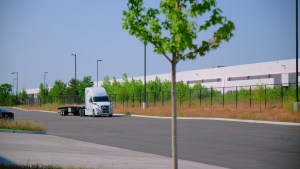
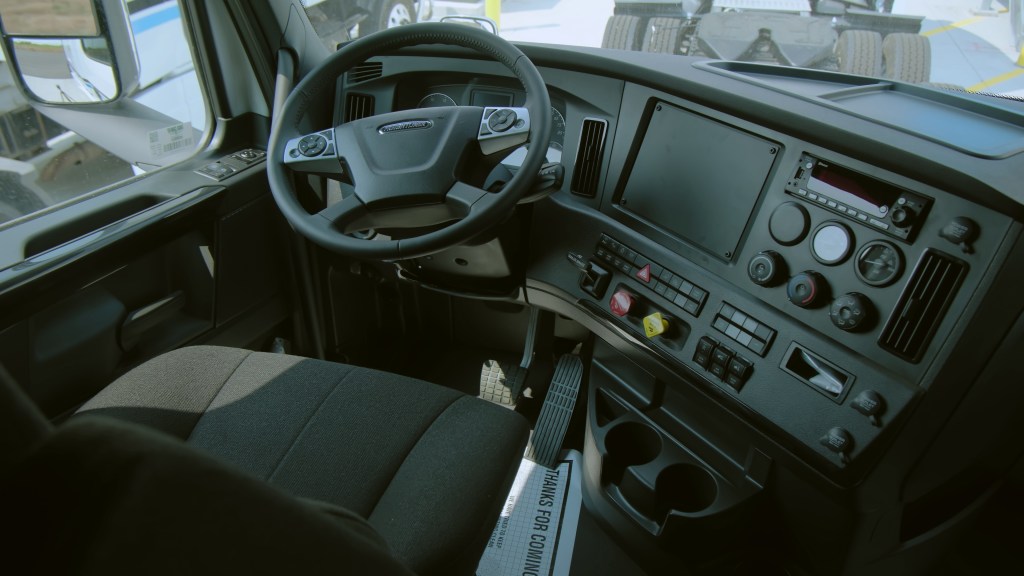
The autonomous trucking conversation just stopped being theoretical. On April 30, 2026, Aurora Innovation announced that refrigerated carrier Hirschbach Motor Lines has agreed to deploy 500 Aurora Driver-powered Class 8 trucks, with deliveries beginning in 2027. The commitment represents the largest publicly disclosed autonomous trucking purchase to date, generates a multi-year revenue stream valued in the hundreds of millions for Aurora, and signals that the technology has cleared the threshold from pilot to production scale. For independent dispatchers, this is the news cycle that transitions autonomous from “someday” to “plan around it.”
- Hirschbach has logged over 800,000 driverless miles and hauled more than 2,000 loads with Aurora-powered trucks.
- Sun Belt rollout targets Dallas-Houston, Fort Worth-El Paso, El Paso-Phoenix, and Atlanta-Dallas corridors, pressuring dry-van head-haul rates within 18 to 24 months.
- Dispatchers should focus on freight autonomous systems cannot serve, build direct shipper relationships, and track FMCSA ADS rulemaking for inspection and maintenance standards.
The Numbers Behind the Hirschbach Deal
Aurora’s announcement, covered in detail by Heavy Duty Trucking, lays out the scope. The 500 trucks will deploy on high-volume routes between Hirschbach customer facilities in the Sun Belt and beyond. Hirschbach plans to own the trucks outright and subscribe to Aurora’s Driver-as-a-Service model, paying per autonomous mile rather than buying the technology stack. The Iowa-based refrigerated carrier has already hauled more than 2,000 loads with Aurora-powered trucks across more than 800,000 driverless miles to date.
Aurora stock jumped on the announcement, with The Motley Fool’s coverage attributing the move to investor recognition that the multi-year revenue stream associated with the deal could land in the hundreds of millions of dollars range. The agreement extends an existing pilot relationship that began on Aurora’s Dallas–Houston commercial driverless lane, which went live in 2024 as the first sustained driverless freight operation in the United States.
Where the Lanes Will Run First
Aurora’s existing operational footprint already extends from Fort Worth to El Paso, with planned expansion to Phoenix on the I-10 corridor. The Sun Belt focus is deliberate — mild weather, predictable highway geometry, and concentrated freight volume between major distribution centers in Texas, Arizona, and the Southeast. Truck News’ coverage notes Hirschbach plans to scale across the Sun Belt during the initial rollout window before considering expansion into Midwest and Mountain corridors.
The lanes most directly affected: Dallas–Houston, Fort Worth–El Paso, El Paso–Phoenix, and the developing Atlanta–Dallas reefer corridor. Independent dispatchers running power-only or expedited freight on these lanes should expect downward rate pressure within 18–24 months on direct head-haul moves, particularly on dry van and reefer pairs where Hirschbach is competing for the same customer base.
The 500 trucks will be deployed within the Aurora network on high-volume routes between customer facilities in the Sun Belt and beyond. If finalized, the agreement would create a multi-year revenue stream for Aurora valued in the hundreds of millions of dollars.
— ACT News, Hirschbach Plans to Scale Aurora-Powered Autonomous Fleet to 500 Trucks
What This Means for Independent Dispatchers
The right read is not panic, and not dismissal. Autonomous trucking at 500-unit scale is meaningful but is a fraction of the more than 750,000 active interstate carriers in the United States. The corridors targeted in the initial rollout are also some of the most freight-dense in the country, meaning Hirschbach’s autonomous trucks will absorb base linehaul demand rather than spot-board specialty freight. Where the rate pressure shows up first will be on the dry-van head-haul lanes that Hirschbach and similar refrigerated carriers already dominate. Where it does not show up: drayage, regional reefer, hazmat, oversized, and any freight requiring a driver to participate in loading, unloading, or appointment management.
- Watch I-10 and I-20 spot rates carefully through 2027. Dallas–Houston and Fort Worth–Phoenix dry van rates will be the first to feel pressure as autonomous capacity comes online.
- Position carriers toward freight autonomous cannot serve. Final-mile to receiver, multi-stop routes, hazmat, and white-glove deliveries are functionally autonomous-resistant for the foreseeable future.
- Build relationships with shippers, not just brokers. Direct shipper relationships insulate against capacity-pricing wars on broker-tendered loads.
- Track FMCSA’s May 2026 NPRM on automated driving systems. The agency is targeting May 2026 for new inspection, repair, and maintenance standards specifically for ADS-equipped commercial vehicles.
- Don’t write off autonomous as a fad. The 800,000-mile, 2,000-load Hirschbach pilot is the dataset that retired the “will it work?” debate. The remaining question is timeline.

What to Watch Next
Watch for the first Aurora-Hirschbach truck deliveries in 2027 and the production-truck OEM partner announcement (Aurora has been building toward Volvo and Paccar partnerships through its development program). Watch FMCSA’s May 2026 ADS proposed rulemaking, which will set the federal regulatory baseline for autonomous Class 8 inspections, maintenance standards, and roadside enforcement. And watch Aurora’s broader 2026 commercial expansion plan — the Hirschbach deal is the first publicly announced anchor customer in this scale-up phase, but it will not be the last.