
How to Determine the Right Dispatch Pricing for Your Services: A Guide for Independent Dispatchers
In the fast-paced world of freight and truck dispatching, setting the right dispatch pricing is super important for making the most of your earnings and keeping your business booming. Many independent dispatchers and companies find it tricky to get their pricing just right. Some end up undercharging, missing out on so much cash. But guess what? Others go the opposite way and overcharge! They often set high prices because of what’s trending on social media or what’s being taught in those online courses that promise quick success. The truth is, a lot of these folks are new to the game, trying to follow the hype without real experience, and attempting to pull in clients with premium rates thinking it will show they’re top-notch.
Understanding how to figure out your value using smart pricing strategies can really turn things around. It gives you the confidence to handle the competition like a boss. In this guide, we’ll dive into dispatch cost analysis techniques and show you how dispatch software and systems like iDispatchHub can make your life a whole lot easier. These tools can help you provide better value to your carriers, justify your dispatch rates, and take your business to the next level. Whether you’ve been doing this for a while or you’re just dipping your toes in, get ready to discover the secrets to pricing your services in a way that truly reflects what you’re worth.
Understanding Dispatch Pricing
Grasping the fundamentals of dispatch service pricing is crucial for any independent dispatcher or dispatch company looking to thrive in the competitive freight industry. This section will explore the importance of pricing services correctly, common pitfalls to avoid, and methods to calculate your true worth.
Importance of Pricing Services
Pricing your dispatch services correctly is the cornerstone of a successful and sustainable business. It directly impacts your profitability, market positioning, and ability to grow.
Underpricing can lead to financial strain and burnout, while overpricing might drive potential clients away. Finding the right balance is key to attracting and retaining customers while ensuring your business remains viable.
Effective pricing also reflects the value you bring to the table. It communicates your expertise, reliability, and the quality of service you provide. By setting appropriate rates, you position yourself as a professional in the industry and attract clients who value quality over bargain prices.
Common Pricing Mistakes
Many dispatchers fall into common pricing traps that can hinder their business growth and profitability. Recognizing these mistakes is the first step to avoiding them.
One frequent error is basing prices solely on competitors’ rates without considering your unique value proposition or operational costs. This can lead to a race to the bottom, where quality suffers and profits dwindle.
Another mistake is failing to account for all costs associated with running your business, including software subscriptions, marketing expenses, and time spent on administrative tasks. This oversight can result in seemingly profitable jobs that actually eat into your margins.
Lastly, not regularly reviewing and adjusting your pricing strategy can leave money on the table. As your experience grows and market conditions change, your rates should reflect your increased value and the current demand for your services.
Calculating True Worth
Determining your true worth as a dispatcher involves calculating a fair percentage of the loads you book, typically ranging from 3% to 12%. Many foreign, overseas dispatchers often undercut US-based companies by offering lower rates, which makes setting your rate based on value critical.
Start by assessing the services you provide, such as load planning, route optimization, paperwork handling, and driver communication. Instead of assigning a flat fee, calculate the percentage of the total load value your services impact. For instance, if a load’s value is $1,000, a 5% service charge would earn you $50.
Consider your unique selling points, like specialized knowledge in specific regions or freight types, or availability for urgent issues 24/7, which can justify positioning your rate higher on the scale.
Let’s illustrate a simple calculation: If you manage a load worth $2,500 and decide on a 7% fee, you earn $175. If your operational costs are covered within this percentage and you deliver added value, you can confidently justify this rate to your clients.
Finally, carefully factor in your operational costs, desired profit margin, and industry benchmarks to decide where you should position yourself within the 3%-12% range. This approach not only ensures your pricing is competitive but also adequately reflects the true worth of your expertise and service quality. Being able to justify this price to your clients reinforces your professionalism and supports sustained business growth.

Strategies for Effective Dispatch Rates
Developing effective dispatch rates requires a strategic approach that balances market demands with your business goals. This section will explore dynamic pricing strategies, the importance of conducting a thorough dispatch cost analysis, and how leveraging dispatch software can optimize your pricing model.
Dynamic Pricing Strategies
Dynamic pricing is like having a magic wand for your rates, letting you tweak them based on all sorts of factors like what’s hot in the market, the time of year, or the nitty-gritty details of a load. This is for our advanced and more established dispatch services.
Think of it as a golden ticket to boosting your earnings when business is booming, like during a freight rush, and keeping things moving smoothly when times are slow. To pull this off, you need to keep your finger on the pulse of industry trends and adjust your rates in response.
Here’s a cool trick: Set up a tiered pricing system. Basically, this means having different price levels depending on how complex a carrier is, how urgent it needs to be handled, or what extra services are bundled in. This way, you keep your base rates competitive but can charge top dollar for those high-value tasks.
Don’t forget about loyalty perks! Throw in some package deals or volume discounts for your regulars. It’s like offering a friends-and-family discount and it can help you lock in some steady business. Think of it as cultivating a community of clients who keep coming back.
And whatever you do, make sure to lay your pricing cards on the table for your clients. Let them know what they’re getting at each price point. Being upfront about your dynamic pricing builds trust and helps clients understand why your rates might shift. It’s all about clear communication and making sure everyone feels good about the deal.

Conducting a Dispatch Cost Analysis
To figure out the best rates for your dispatch services and truly understand your costs, you need to break everything down carefully. Here’s how you can do it step by step:
-
List Your Fixed Costs: Start by jotting down regular expenses that don’t change month to month. These could be things like rent for your office, software subscriptions, and insurance.
-
Calculate Your Variable Costs: Next, think about costs that fluctuate based on how much business you’re doing. This can include expenses like fuel for travel, communication bills, and any fees you pay per load.
-
Include Your Time: Your time is valuable! Decide on an hourly rate for your work. This should cover all the time you spend on tasks like sending emails to clients, handling paperwork, and solving problems. It ensures you’re paying yourself fairly for your efforts.
-
Look at Past Data: Review your past expenses to spot any patterns. Are there areas where you could save money? Recognizing these can guide you on better pricing and how to use your resources wisely.
-
Use Tools to Track Costs: Utilize tools like spreadsheets or specific dispatch software to monitor your costs regularly. Keeping an eye on this helps you adjust your rates when necessary to ensure you’re making a profit.
By following this exercise step by step, you’ll have a clear view of your business costs and how to set profitable rates that reflect the true value of your work.
Leveraging Dispatch Software and Systems
Utilizing advanced dispatch software and systems can significantly enhance your pricing strategy and overall operational efficiency. These tools provide valuable insights and automate many aspects of the dispatch process.
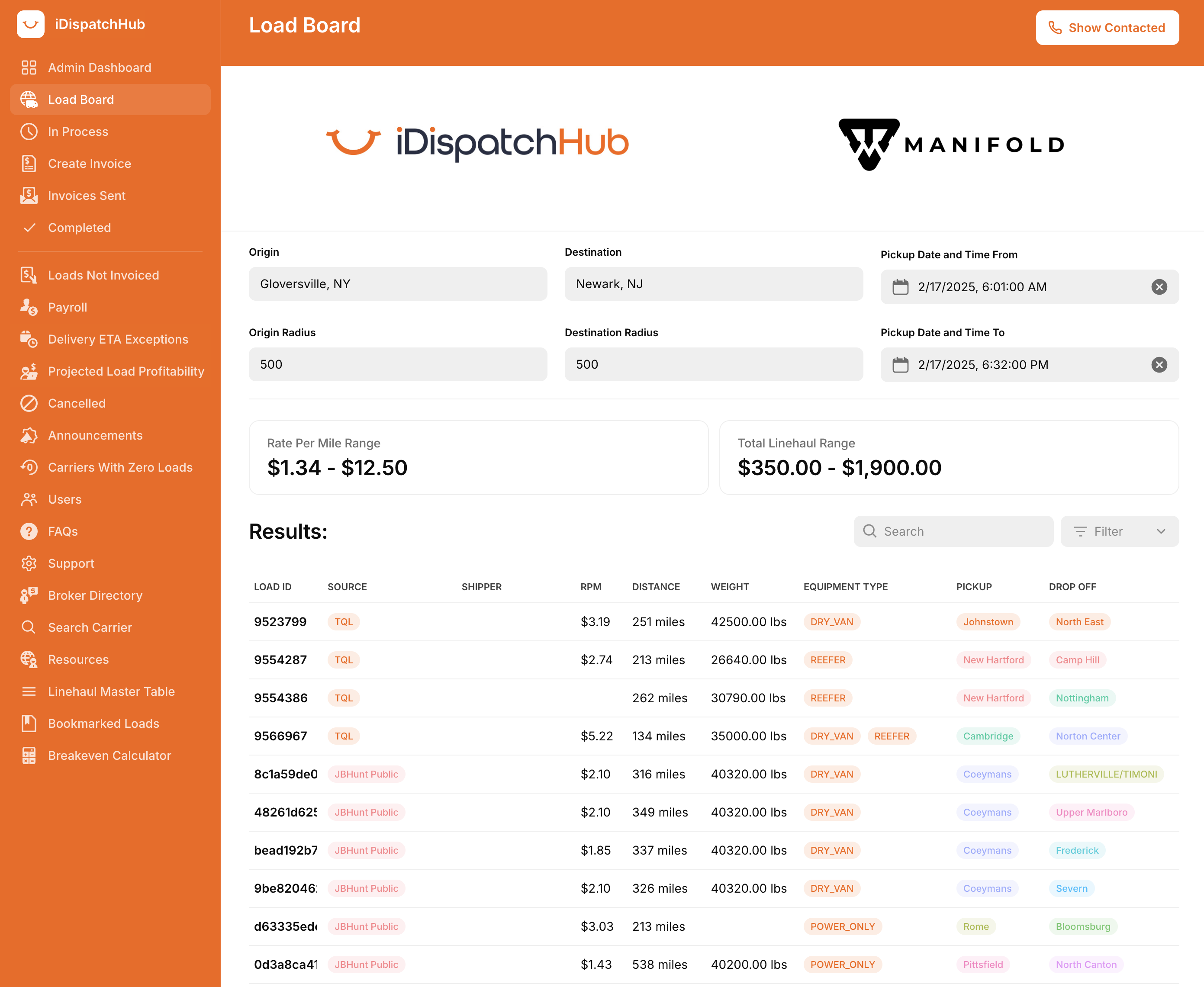
Modern dispatch software often includes features for route optimization, real-time tracking, and load matching. By streamlining these processes, you can reduce operational costs and pass some savings to clients or increase your profit margins.
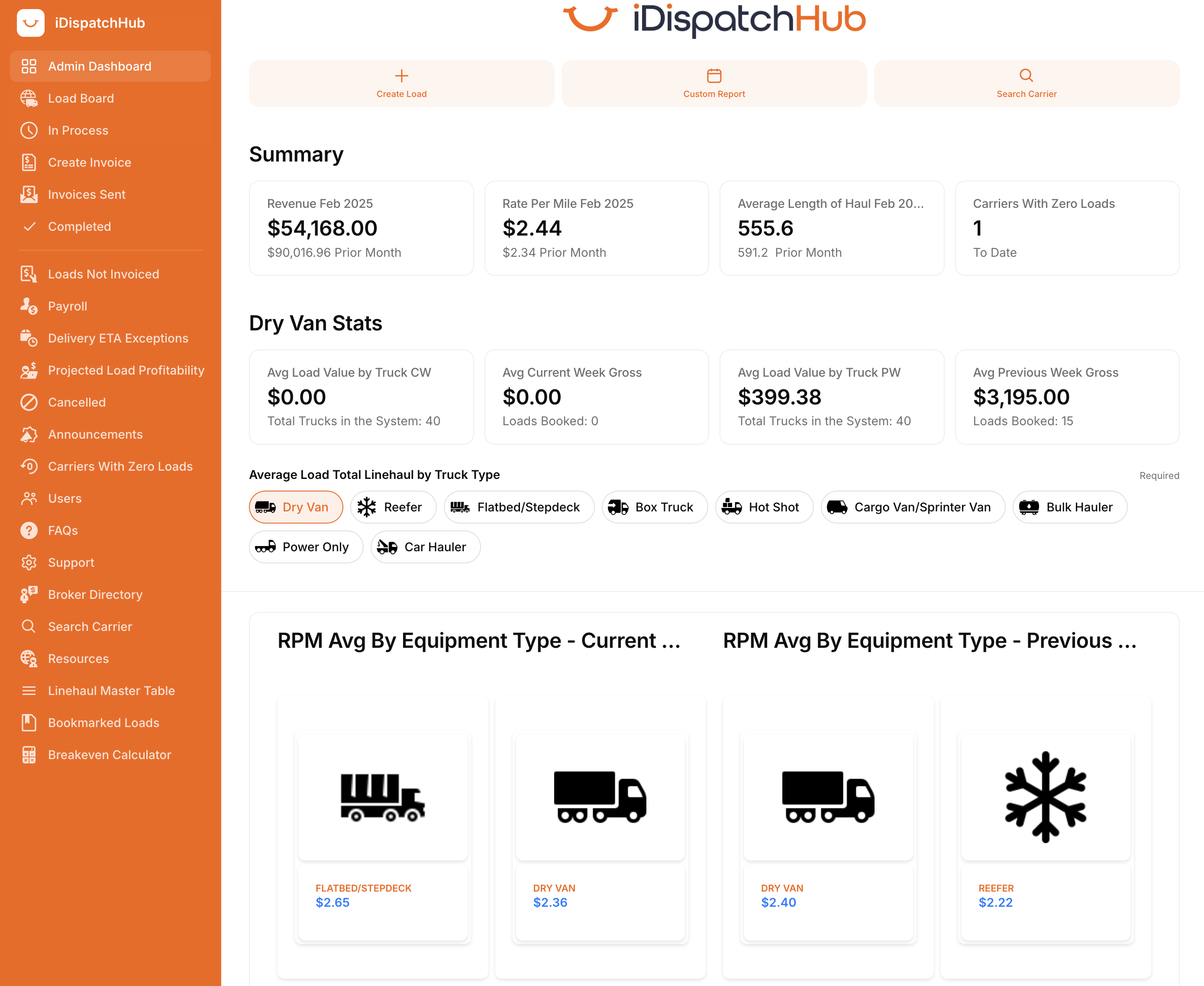
Many systems offer analytics tools that can help you understand your most profitable routes, clients, and services. This data is invaluable for refining your pricing strategy and focusing on high-value opportunities.
Automated invoicing and payment tracking features can improve cash flow and reduce the time spent on administrative tasks. This efficiency allows you to handle more loads without increasing overheads, potentially leading to higher profits.
Consider exploring options like iDispatchHub, which offers comprehensive dispatch management solutions designed specifically for independent dispatchers and small to medium-sized operations.
Enhancing Value with iDispatchHub
iDispatchHub offers a comprehensive solution for dispatchers looking to optimize their operations and pricing strategies. This section will explore the benefits of using a Dispatch Transportation Management System (TMS), guide you through booking a demo, and discuss how to optimize your dispatch operations using this powerful tool.
Benefits of Dispatch TMS
A Dispatch Transportation Management System (TMS) like iDispatchHub can revolutionize your dispatch operations, offering numerous benefits that directly impact your pricing strategy and bottom line.
Firstly, a TMS provides real-time visibility into your operations, allowing you to make data-driven decisions about pricing and resource allocation. This transparency can help you identify inefficiencies and optimize your processes for better profitability.
Automation is another key benefit. By automating routine tasks such as load matching, route planning, and invoice generation, you can significantly reduce the time spent on administrative work. This efficiency allows you to handle more loads without increasing overheads, potentially leading to higher profits.
Furthermore, a TMS can improve communication between dispatchers, drivers, and clients. Enhanced communication leads to fewer errors, faster problem resolution, and ultimately, higher customer satisfaction. This improved service quality can justify higher rates and help you stand out in a competitive market.
How to Book a Demo
Booking a demo with iDispatchHub is simple and can offer invaluable insights into optimizing your dispatch operations.
-
Go to the iDispatchHub website and head to the “Demo” section, where you can choose to schedule a demo or watch it on-demand at your convenience.
During the demo, be ready to explore specific features that could enhance your pricing strategy, such as reporting tools or automation functions. Take note of how the software can seamlessly integrate with your current workflows and potentially boost your operational efficiency.
After watching the demo, take time to evaluate how iDispatchHub aligns with your long-term business objectives. Feel free to follow up with additional inquiries or request a trial period to fully experience the system’s advantages.
Optimizing Dispatch Operations
Optimizing your dispatch operations with iDispatchHub can lead to significant improvements in efficiency and profitability, directly impacting your pricing strategy.
Start by fully utilizing the system’s route optimization features. This can help you reduce deadhead miles and improve load planning, allowing you to offer more competitive rates while maintaining healthy margins.
Take advantage of the real-time tracking and communication features to enhance transparency with clients. This improved service can justify premium pricing for your dispatch services.
Leverage the analytics tools to gain insights into your most profitable routes, clients, and services. Use this data to refine your pricing strategy, focusing on high-value opportunities and adjusting rates for less profitable segments.
Implement the automated invoicing and payment tracking features to improve cash flow and reduce administrative overhead. This efficiency can allow you to handle more loads without increasing costs, potentially leading to higher profits.
Finally, regularly review and adjust your processes based on the insights provided by iDispatchHub. Continuous optimization will help you stay competitive and maximize the value you offer to clients.