
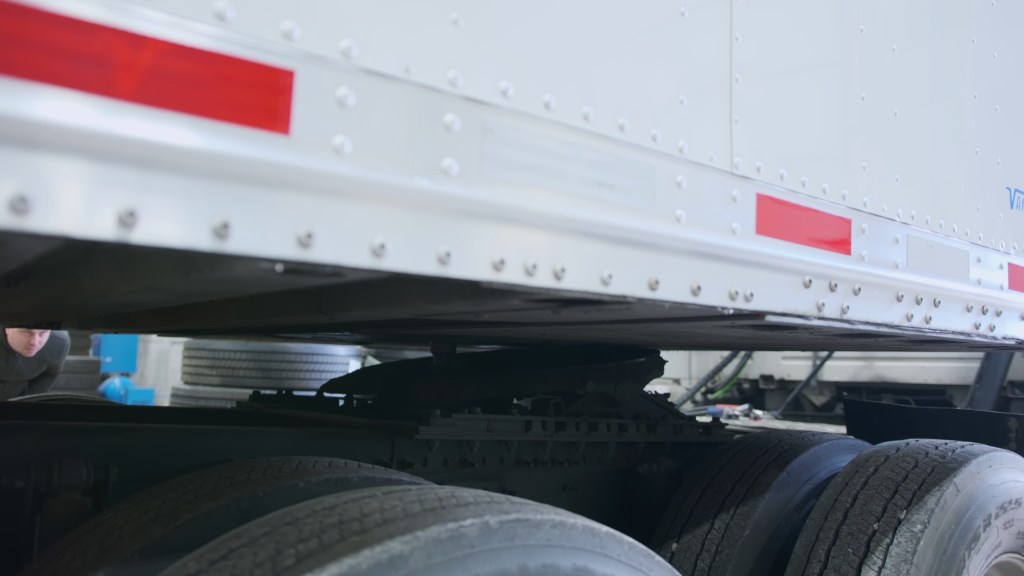
Tires are the single largest controllable maintenance line on a truck, and the decision to retread or replace is almost always made too late — at a truck stop, at night, at three times the price. Your carrier does not need you to be a tire engineer. They need you to know the numbers well enough to schedule the replacement into a slow Tuesday instead of discovering it on a Friday load. Here is the math, the intervals, and the walkaround questions that keep tires from taking a truck out of the earning pool.
- Memorize legal tread minima: 4/32" steer, 2/32" others; set a 6/32" steer action threshold and schedule replacements before roadside risk.
- Price planned replacements against downtime, not just tire cost; unplanned roadside events cost far more and can lose booked loads.
- Retreads work for drive and trailer if casing is sound and source is reputable; cheap unknown retreads are a false saving.
- Prevent failures with routine checks: log tread depth per position weekly, require gauge pressure readings, not thumps, at every pre-trip.
The Two Numbers Every Dispatcher Should Memorize
Federal minimums and out-of-service thresholds are not the same number, and the gap between them is where trucks get parked. Under 49 CFR 393.75, steer tires must have at least 4/32″ of tread in any major groove, and all other positions at least 2/32″. CVSA’s out-of-service criteria are tighter still in practice, and inspectors measure at the worst groove, not the average.
So 4/32″ on a steer is not a target — it is a cliff. Treat 6/32″ as your action threshold. A truck at 5/32″ on a steer heading into a long lane is a truck that may not come back on schedule. Tread-depth requirements and measurement methods are worth reviewing with your drivers once a quarter.
What Tires Actually Cost in 2026
The pricing spread is wide enough that guessing costs real money. Current 2026 pricing runs roughly $400–$800 for a new steer tire, $350–$650 for a drive, and $300–$500 for a trailer position. Retreads generally land at 30–50% of a comparable new tire — call it around $275 on a $550 drive tire.
Now the failure side. A roadside tire replacement is not just the tire. Add the service call, plus downtime at a fleet-maintenance benchmark of roughly $448–$760 per day. That puts a single unplanned tire event somewhere between $714 and well past $1,200 — before you count the load you could not cover.
Steer tires must have at least 4/32 of an inch tread when measured in any major tread groove. All other tires must have at least 2/32 of an inch.
FMCSA, 49 CFR 393.75 — Tires
When Retreading Is the Right Call and When It Is Not
Retreads are legal on commercial vehicles including truck steer axles, with restrictions — buses cannot run retreads on steers, and regrooved tires are prohibited on truck steer axles at certain load ratings. The economics favor retreads on drive and trailer positions where the casing is sound and the duty cycle is predictable.
Where retreading goes wrong is casing quality. A retread is only as good as the casing under it, and a casing that has run underinflated or been repaired badly will not hold. If your carrier is buying the cheapest available retread from an unknown source, the savings are theoretical. Ask which retreader, and whether the casing was theirs.
The Inflation Problem Nobody Schedules For
Underinflation is the leading cause of premature tire failure and it is invisible from ten feet away. A tire can be 20% underinflated and look completely normal. That tire is running hotter, wearing faster, and burning more fuel every mile. Thumping tires with a bar tells a driver almost nothing about pressure — only a gauge does.
- Ask for tread depth in 32nds, not “they look fine.” Add a tread-depth field to your weekly carrier check-in and log the number per position.
- Set a 6/32″ steer action threshold. When a steer hits it, that truck gets scheduled — before it becomes a roadside decision at 4/32″.
- Require a gauge reading, not a thump, at every pre-trip. Underinflation is the failure mode you can actually prevent from a desk.
- Price the replacement against downtime, not against the tire. A $550 planned drive tire beats a $275 retread that strands the truck for a day.
- Book the tire day into a soft market window. Do the work when rates are weak in your carrier’s home region, not when the load board is paying.
- Keep receipts and dates by position. Tire records support both PM planning and any DataQs challenge on a disputed tire violation.
A dispatcher who tracks tread depth by position is doing something most carriers do not do for themselves. It costs you ninety seconds a week and it removes the most common reason a truck is unexpectedly unavailable.

What to Do Next
Build a one-page tire log for every truck you dispatch: position, install date, new or retread, and last measured tread depth. Update it weekly during your normal check-in call. Within a month you will be able to predict which truck needs tires before the truck does — and you will be scheduling that work into a soft rate week instead of losing a booked load to it. Tread-depth reference guides are worth printing and handing to your drivers so everyone is measuring the same way.