
On July 23, 2026, Aurora pulled the wrap off a second-generation driverless truck built to cost about half as much as its first, and in doing so moved autonomous freight from a demo into a business model. For years, dispatchers could treat driverless trucks as a someday problem. That posture no longer holds. Aurora is targeting 200 autonomous trucks in revenue service by the end of this year, running fixed Sun Belt lanes for real shippers — and the number that matters most to an independent dispatcher is not the sensor count, it’s the build cost. Here is how to read the announcement without the hype.
What Aurora Actually Announced
The new truck is built on the International LT Series platform with an upgraded sensor suite and, critically, a 1-million-mile design life and roughly half the build cost of the first generation. Aurora says Roush Industries is expected to be delivering 20 trucks per week by year-end, feeding a fleet targeted to exit 2026 with more than 200 driverless units. The company reported the Aurora Driver had completed nearly 440,000 driverless miles as of the end of June. This is not a pilot count anymore; it is a production ramp.
Where the Trucks Actually Run
Geography is the whole story right now. Aurora is operating driverless routes across the Sun Belt — the Fort Worth–El Paso and Phoenix corridors among them — for customers that have approved driverless operations, including Hirschbach, Uber Freight, McLane, and Detmar. These are long, straight, weather-friendly interstate hauls. That matters for how you assess your own exposure: if your book is built on Sun Belt dry-van lane-haul between distribution centers, that is exactly the freight autonomy is coming for first. If you dispatch regional, multi-stop, or weather-variable freight, the timeline is longer.
The Economics That Should Get Your Attention
Halving the build cost of the truck is the line that changes the math. Autonomy’s promise was never just removing the driver wage; it was doing so at a hardware cost the freight rate could absorb. A cheaper, longer-lived truck is what turns a technically-impressive system into a fleet a customer will actually buy. Aurora has also signaled a Driver-as-a-Service model for 2027 that would let fleets own and operate Aurora-equipped trucks themselves, and Hirschbach has already signed a memorandum of understanding around scaling an autonomous fleet. For dispatchers, the takeaway is that autonomy is arriving as a capacity source you may eventually broker to — not only a competitor.
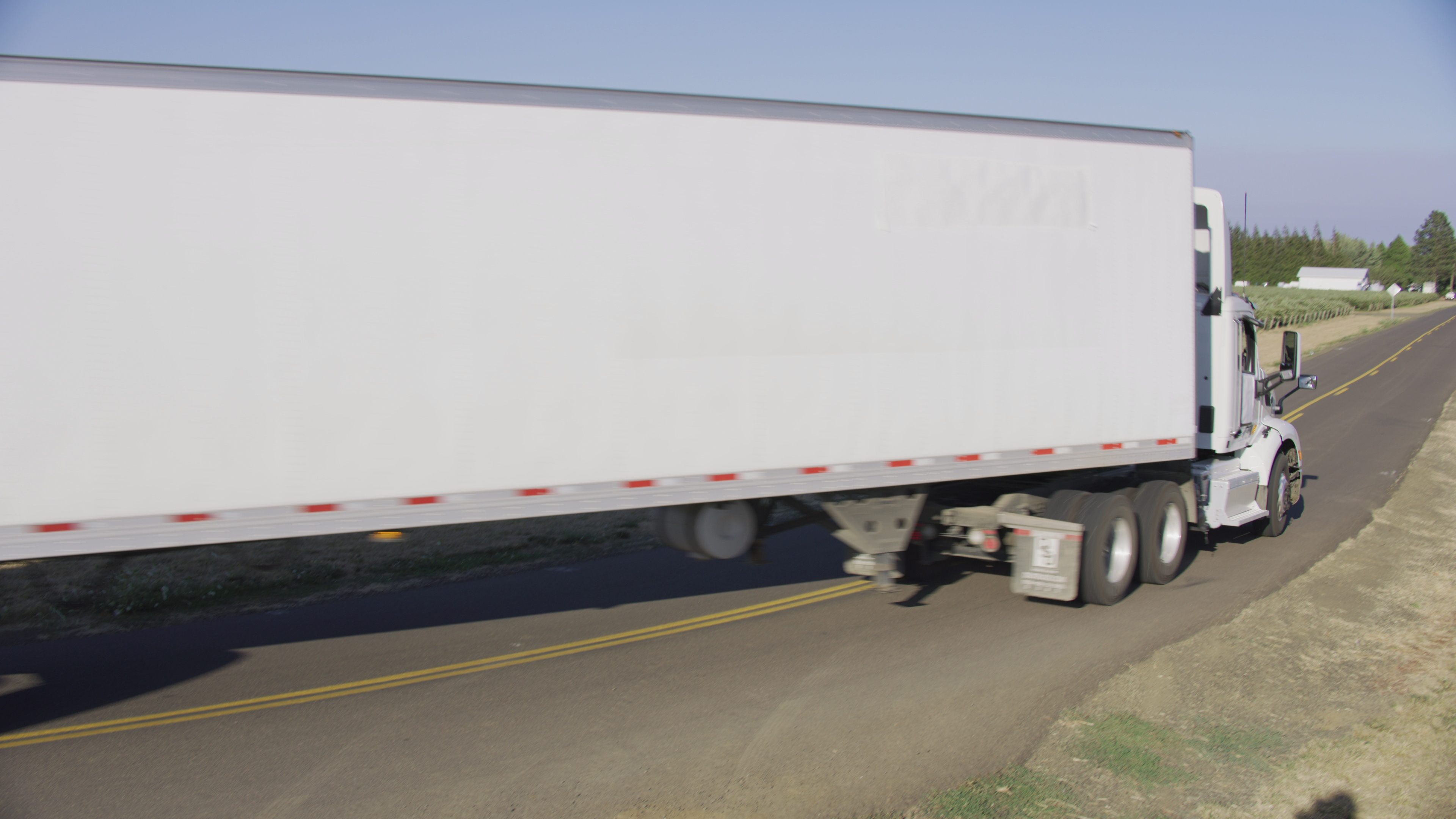
The second-generation truck features upgraded sensors, a 1-million-mile design life, and about half the build cost of Aurora’s first generation — the cost curve, not the tech demo, is what makes this a business.
Transport Topics — Aurora Unveils Second-Gen Truck
What an Independent Dispatcher Should Do About It
You don’t need to panic, but you should position. The dispatchers who thrive alongside autonomy will be the ones who move their carriers toward the freight machines can’t easily take.
- Audit your lane mix: flag how much of your revenue rides on long, straight Sun Belt DC-to-DC van lanes — that is the most exposed freight.
- Lean into complexity: multi-stop, high-touch, appointment-sensitive, and specialized freight is where human dispatch stays essential longest.
- Watch the DaaS timeline: if the 2027 Driver-as-a-Service model lands, autonomous capacity could become something you help carriers deploy, not just something you compete with.
- Track the safety record: the driverless-mile count and any incident data will drive regulatory and shipper acceptance more than any press release.

The Timeline to Watch
The next milestone is whether Aurora actually hits 200 trucks and 20-per-week production by December, and whether the safety record holds as the fleet scales. If both happen, 2027’s Driver-as-a-Service rollout becomes the real inflection point for the wider market. Autonomous freight is no longer a question of if for Sun Belt van lanes — it is a question of how fast. The dispatchers who spend the back half of 2026 shifting their carriers toward complex, high-touch freight will be the ones best positioned when the driverless fleet crosses from hundreds into thousands.