
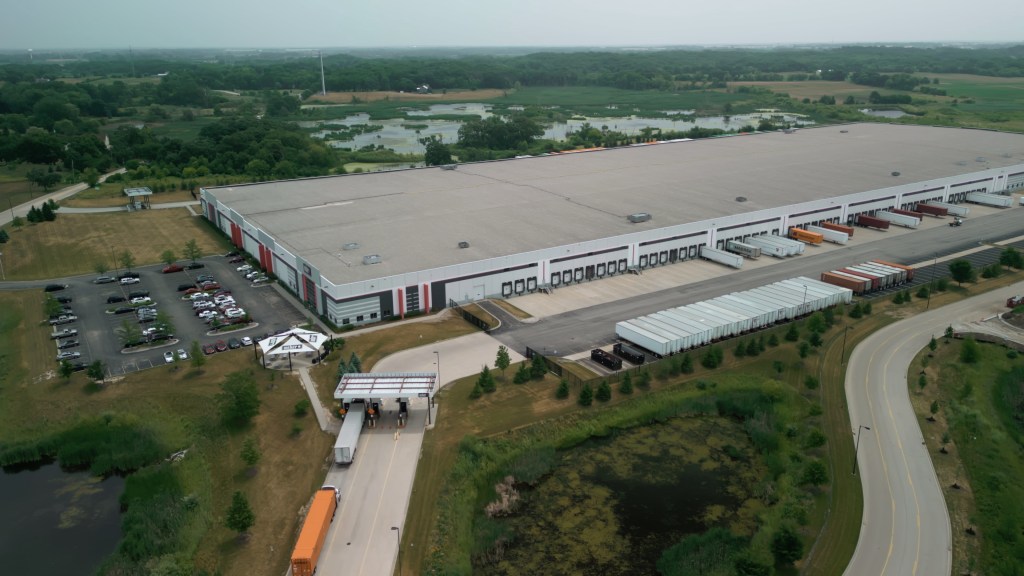
International Roadcheck arrives in seven days, and CVSA enforcement officers across North America will conduct roughly 50,000 inspections in 72 hours starting May 12. The vehicle focus is cargo securement and the driver focus is ELD tampering — but the more dangerous reality for independent dispatchers is what happens after the inspection: violations that are legally questionable, factually wrong, or recorded against the wrong driver still land on the carrier’s CSA score for the next 24 months and quietly tighten insurance pricing on the next renewal cycle. The corrective tool is the FMCSA’s DataQs Request for Data Review system, and the workflow has just been overhauled by FMCSA’s DataQs program rule published earlier this spring.
- Act inside the 60-day window: run SAFER snapshots early and again, monitor BASIC percentiles, and file promptly before renewal quotes are locked.
- Capture the DVER, photograph pages, preserve ELD, dashcam, weight tickets, and write a one-paragraph factual narrative for DataQs evidence.
- File an RDR at DataQs, expect a three-stage review, track 30-60 day decisions, verify removal on SAFER, and send corrected snapshot to broker.
Why the 60-Day Window After Roadcheck Matters
FMCSA’s Safety Measurement System pulls inspection data into the carrier’s BASIC scores within roughly 30 days of the inspection date. Insurance underwriters who pull SAFER Company Snapshot reports during May, June, and July renewal windows will see Roadcheck-week violations sitting on the carrier’s record — even if those violations are wrong. Independent dispatchers who wait until the violation shows up on a renewal premium quote have already lost the leverage to challenge it cleanly.
FMCSA’s 2024 data shows the volume of contested records is enormous: 63,548 Requests for Data Review on inspections and violations were filed in calendar year 2024 alone, plus 8,314 separate crash-data requests. The new DataQs rule, which states must implement within 60 days of FMCSA’s April 16, 2026 publication and which goes live system-wide in mid-September, mandates a three-stage review of every RDR — Initial Review, Reconsideration, and Final Review — and adds a state-level appeals process so that a single MCSAP analyst can no longer kill a challenge in isolation.
What Actually Qualifies for a DataQs Challenge
The DataQs system is not a complaint line. It is a structured data-correction tool. Per FMCSA guidance, valid grounds for a Request for Data Review on an inspection include factual errors (wrong USDOT number, wrong driver), violation-code errors (the cited regulation does not match the underlying observation), evidence the violation was outside the regulatory threshold (an air-brake pushrod under 49 CFR 393.47 limits, for instance), and procedural defects in the inspection itself. CCJ’s coverage of the new DataQs rule notes that states are now required to review inspection-data requests submitted within three years of the inspection and crash-data requests submitted within five years — but the practical window for protecting CSA scores is much shorter, because BASIC-percentile damage compounds over rolling 24-month windows.
Last year, falsification of record of duty status was the second most-cited driver violation, at 58,382 violations. ELD tampering will be inspectors’ bullseye May 12-14, and any disputed Hours-of-Service citation is a candidate for an immediate DataQs challenge.
CVSA International Roadcheck 2026 announcement
The 7-Step Post-Roadcheck DataQs Workflow Every Dispatcher Should Run
- Step 1 — Capture the inspection report immediately. Get the driver’s copy of the Driver/Vehicle Examination Report (DVER) at the roadside before the truck leaves. Photograph all pages. The federal inspection number is the index for everything that follows.
- Step 2 — Pull the SAFER snapshot at day 7 and day 21. Watch for the violation to land in the carrier’s record. Run the SAFER Company Snapshot on the carrier’s USDOT number twice in the first 30 days — once early to confirm the inspection has been uploaded, once again to confirm the violations are accurately recorded.
- Step 3 — Document the underlying evidence. ELD records, dash-cam footage, photographs of cargo securement, weight tickets, BOLs, and driver statements all become evidence. For air-brake violations, pushrod-stroke measurements taken at 90–100 PSI per 49 CFR 393.47 can rebut a Class 8 inspection finding.
- Step 4 — File the Request for Data Review at dataqs.fmcsa.dot.gov. Use the carrier’s USDOT account and attach the inspection report number, scanned evidence, and a one-paragraph factual narrative. Vague filings get denied.
- Step 5 — Calendar the 30-60 day decision window. Per published DataQs guidance, violation-code disputes typically resolve in 30-60 days; crash accountability cases stretch 60-120 days. If 60 days pass with no decision, escalate via the Reconsideration stage of the new three-stage review.
- Step 6 — Pull the SAFER snapshot again post-decision. A successful challenge does not always automatically scrub the BASIC percentile; verify the violation has been removed from the carrier’s record.
- Step 7 — Send the corrected SAFER snapshot to the insurance broker. Most insurance carriers will accept a mid-cycle CSA correction and re-rate the next renewal premium, but only if the dispatcher proactively notifies the broker.
The Three-Stage Review Replaces the Old DataQs Single-Reviewer Model
The biggest practical change for independent dispatchers under the new DataQs rule is structural. Under the old system, a single MCSAP-lead-agency analyst typically resolved a Request for Data Review and that resolution was effectively final. Under the new framework, RDRs escalate from the analyst to a responsible decision-maker or panel of subject-matter experts at Reconsideration, then to a Final Review stage. TruckSafe’s analysis notes that this multi-stage structure substantially raises the odds that a well-documented challenge survives an initial denial — but it also means dispatchers must be prepared to keep the file open through three sequential reviews rather than abandoning it after the first denial.

What to Watch in the Next 14 Days
Independent dispatchers should treat the period from May 12 through July 14 as a single rolling DataQs window. Inspection reports generated during the 72-hour blitz will hit SMS in mid-June; insurance renewal pricing for July and August quotes is being modeled right now off CSA percentiles that have not yet absorbed those violations. The dispatcher who runs a structured post-Roadcheck file-by-file review — checking every DVER for factual error, every violation code for misclassification, and every BASIC percentile shift against the underlying inspection — is the dispatcher whose carriers will not be paying a Roadcheck premium on next year’s policy. Watch FMCSA’s newsroom feed for the September go-live notice on the new three-stage DataQs system, and pre-stage your USDOT login credentials now so the first challenge can be filed within hours of the violation appearing on SAFER.