




A driver who cannot answer an inspector’s questions in English is no longer getting a warning — they are getting parked on the shoulder. Since roadside enforcement of the federal English Language Proficiency (ELP) standard tightened, an American Trucking Associations executive said in July 2026 that roughly 2,000 drivers a month have been placed out of service for ELP violations. For independent dispatchers, one out-of-service driver is a missed appointment, a dinged CSA score, and a customer relationship at risk. This is the compliance reality you have to manage right now.
Why ELP Is an Out-of-Service Violation Today
The requirement itself is not new — 49 CFR 391.11(b)(2) has long required commercial drivers to read and speak English well enough to converse with the public, understand highway signs, respond to officials, and make entries on reports. What changed is the consequence. The Commercial Vehicle Safety Alliance voted to add ELP non-compliance to the North American Standard Out-of-Service Criteria effective June 25, 2025, and the criteria handbook was updated in print on April 1, 2026. Enforcement is no longer discretionary — it is codified.
Congress then locked it in. The Consolidated Appropriations Act of 2026 directed FMCSA to update its regulations so that failing the ELP assessment triggers an out-of-service order, a mandate reported by CDLLife earlier this year. This is a currently active enforcement standard, not a proposal waiting in the rulemaking queue.
The Two-Step Roadside Assessment
FMCSA’s enforcement policy uses a two-step process at the roadside. First, the inspector conducts an interview in English — no interpreters, smartphone translation apps, or cue cards are permitted. If the driver cannot respond sufficiently, the inspector moves to a highway-sign recognition assessment. A driver who fails both steps is cited under 391.11(b)(2) and placed out of service on the spot. Understanding this sequence is the first step to preparing your drivers for it.
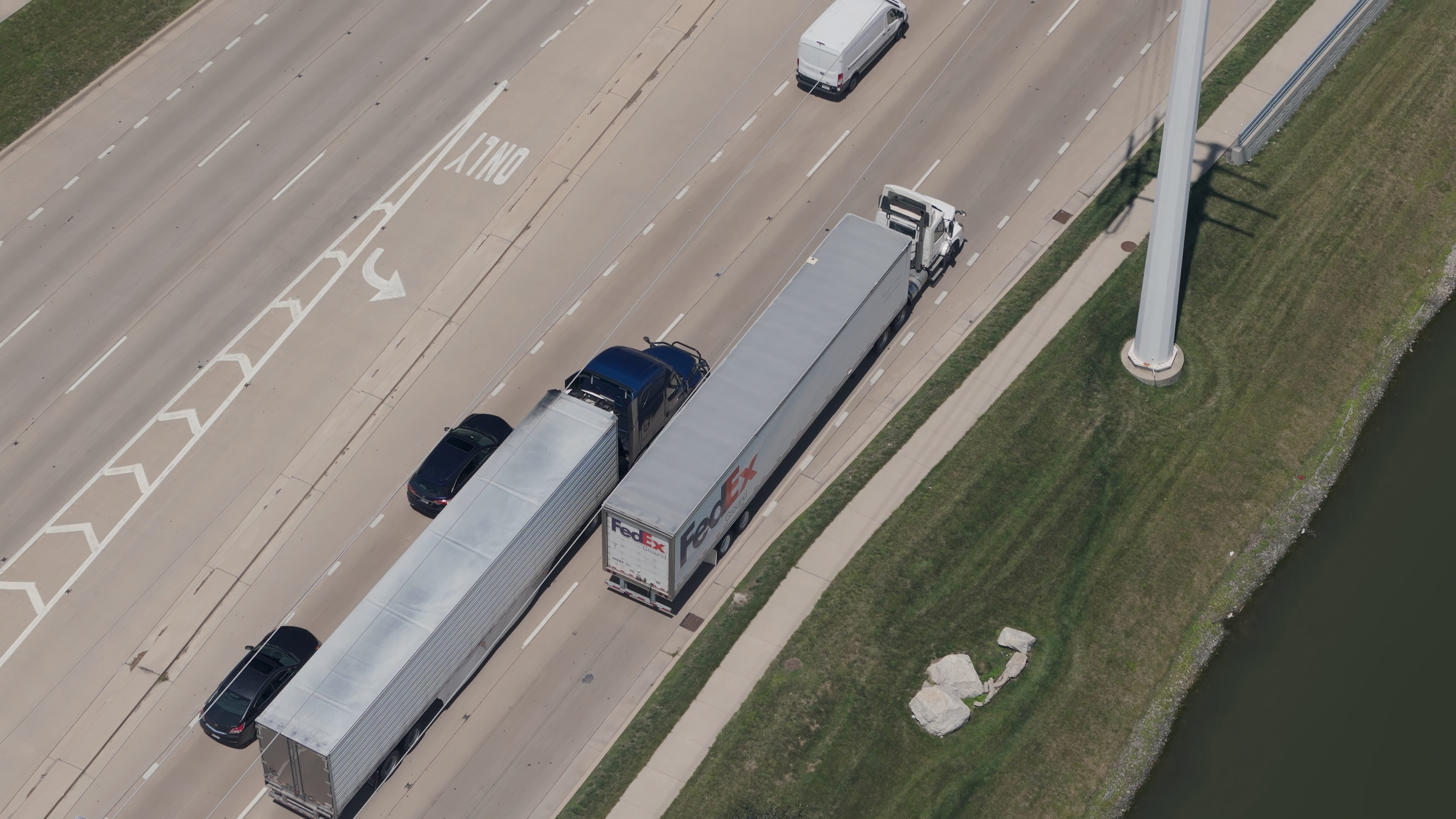
The rule requires drivers to read and speak English sufficiently to converse with the public, understand traffic signs, respond to official inquiries, and make entries on records and reports.
FMCSA English Language Proficiency Enforcement FAQs
Your Dispatcher ELP Compliance Checklist
You cannot ride along on every inspection, but you can build ELP readiness into your onboarding and pre-dispatch routine. Work this checklist with every carrier and driver you manage:
- Screen at onboarding: Conduct a short English conversation with each driver before you dispatch them, covering document requests, directions, and basic roadside questions.
- Drill highway signs: Confirm drivers can identify standard regulatory and warning signs by meaning, not just color and shape.
- Prohibit translation crutches: Make sure drivers know interpreters, apps, and cue cards are not allowed during the assessment.
- Keep records clean: Verify drivers can legibly complete logs, inspection reports, and bills of lading in English.
- Have a contingency plan: Know which drivers in your pool can cover a load if one is placed out of service mid-route.
Because an ELP out-of-service order feeds directly into the carrier’s CSA record, the cost of skipping this screening is not just one delayed load — it is a measurable hit to the safety profile brokers and shippers check before they hand you freight.

What to Watch Next
FMCSA is still expected to publish a formal rulemaking that codifies the ELP out-of-service standard into the regulation text itself, which could add documentation and assessment specifics. Until that lands, treat the current CVSA criteria as the operating standard and build ELP screening into every driver relationship. The dispatchers who make this a routine part of onboarding — rather than a scramble after the first out-of-service order — are the ones who keep their trucks rolling and their CSA scores clean through the back half of 2026.


