




Hydrogen trucking has been five years away for about a decade — but a 40-truck deployment on real Southern California freight lanes is not a concept render, it is a fleet. Toyota and Hyroad Energy have signed a definitive agreement to put 40 hydrogen fuel cell Class 8 trucks into commercial service, and the numbers behind it — roughly 500 miles of range and a 15-to-20-minute fill — finally match the duty cycle diesel operators actually run. With on-highway diesel climbing back toward $4.80 a gallon, the economics that make dispatchers roll their eyes at alternative powertrains deserve a second look this summer.
What Toyota and Hyroad Are Actually Deploying
The core of the deal, announced through Toyota’s own newsroom, is a definitive agreement to deploy 40 hydrogen fuel cell Class 8 commercial trucks in Southern California. Hyroad provides the trucks, maintenance, telematics, and fleet-management software, while Toyota supplies the hydrogen through refueling infrastructure it is building in Ontario, California. This is a full ecosystem play, not just a batch of trucks — the fuel, the service, and the data all come bundled, which is exactly the missing piece that killed earlier hydrogen pilots.
There is a second signal underneath the headline: Hyroad is rebuilding 117 fuel cell trucks it acquired from the former Nikola operation, restoring their software, cybersecurity, and telematics to put them back into freight service. That is a company scaling from salvaged assets into an operating fleet, and Toyota has said it plans to run its own fuel cell Class 8 trucks in its logistics operations by early 2027.
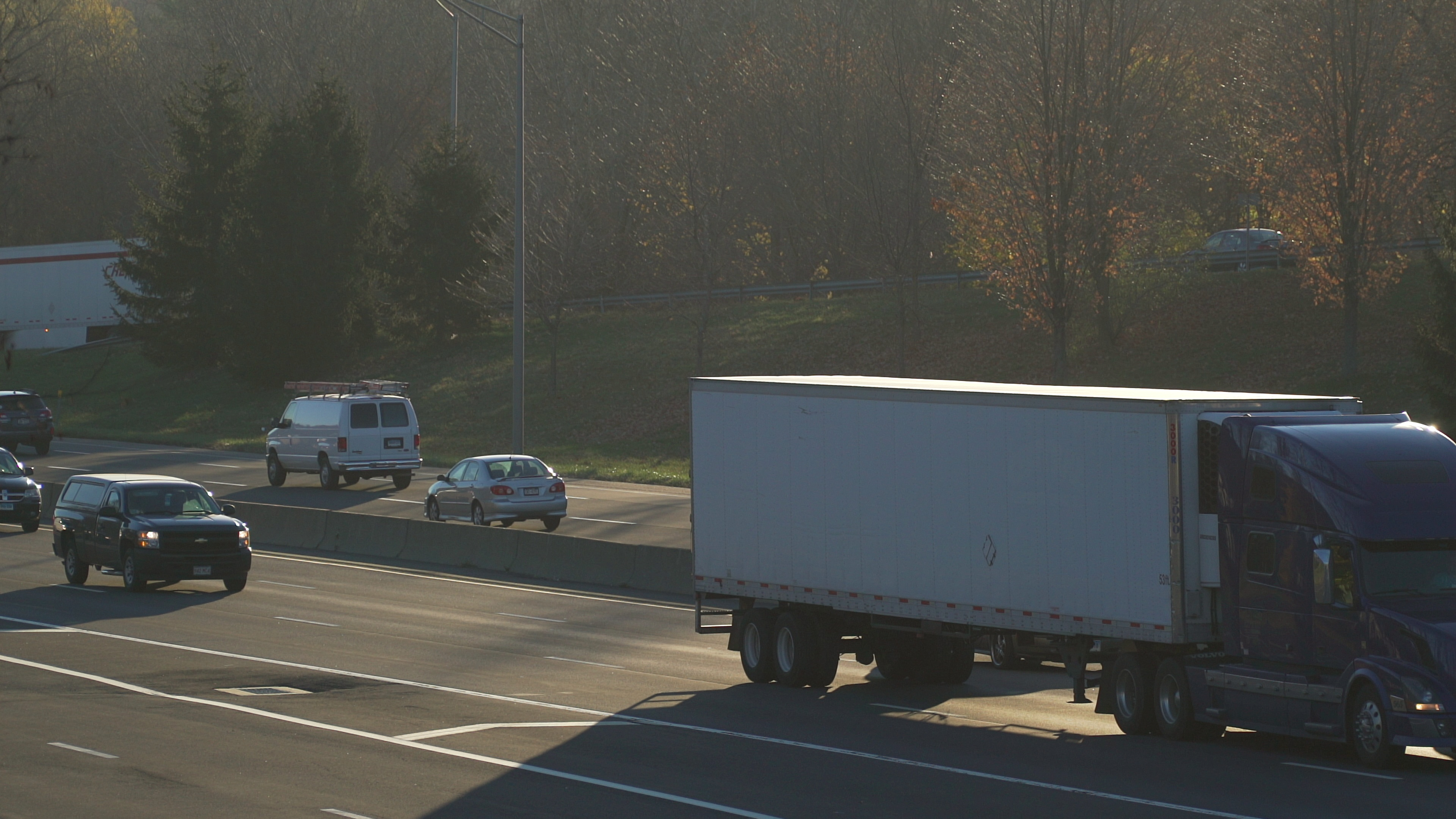
The Specs That Make This Different From the Last Hydrogen Cycle
The reason this deployment matters is that the performance envelope finally overlaps with diesel. A fuel cell Class 8 in this class takes roughly 15 to 20 minutes to fill and delivers up to 500 miles of range, carrying up to about 70 kilograms of hydrogen onboard. That is a duty cycle a dispatcher can actually plan around — no eight-hour charging window, no range anxiety on a regional run. Under the hood, the second-generation powertrain that Toyota showcased produces a combined 670 horsepower and 1,327 lb-ft of torque from twin electric motors, with a lithium-ion battery smoothing power delivery. The only tailpipe output is water vapor.
At up to 500 miles of range and a 15-to-20-minute refueling window, hydrogen Class 8 trucks match the performance profile of diesel — with water vapor as the only tailpipe output.
Toyota USA Newsroom
Why a Dispatcher Should Care About Hydrogen at All
The honest answer is that most independent operators will not buy a hydrogen truck this year or next — the fueling network barely exists outside a few California corridors, and the trucks are expensive. But the reason to track it is competitive. California’s clean-truck regulations are pushing large shippers and drayage fleets toward zero-emission equipment, and the carriers that win those dedicated lanes will increasingly need compliant trucks to do it. If a shipper you serve starts requiring zero-emission moves at a port, hydrogen and battery-electric are the only two answers, and knowing the real range and fueling math keeps you from being caught flat-footed when the RFP lands.
The Numbers to Watch
If you cover freight in or out of Southern California, keep an eye on these as the deployment scales:
- Hydrogen fuel price per kilogram. The whole economic case rises or falls on the pump price; watch whether Toyota’s Ontario infrastructure brings it near diesel-equivalent cost.
- Refueling network density. 500-mile range only helps if there is a station at the far end — track how many public heavy-duty hydrogen stations open along I-10 and the ports.
- Deployment milestones. Watch whether the 40-truck fleet expands and whether Toyota hits its early-2027 target for its own logistics trucks.
- Shipper mandates. Note any customer that begins requiring zero-emission drayage — that is your early signal that compliant capacity is about to command a premium.

The So-What for Independent Operators
Hydrogen is not going to replace the diesel truck in your driveway this year. But the Toyota-Hyroad deployment is the clearest sign yet that fuel cell Class 8 has moved from science-fair project to working freight equipment, at least in the California corridors where the fuel exists. For an independent dispatcher, the practical move is awareness, not action: know the range and fueling math, watch which of your shippers start asking for zero-emission capacity, and treat this deployment as the leading edge of a change that will reach regional lanes before it reaches long-haul. Diesel is not going anywhere soon — but the operators who understand the alternatives will be the ones who win the compliant lanes when they open.


