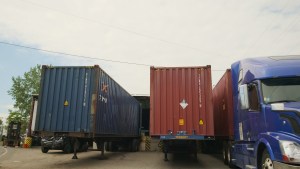

The most dangerous cargo theft of 2026 does not involve a broken lock or a cut fence — the thief drives up to the dock with paperwork that looks perfect and the shipper hands over the freight willingly. This is the fictitious pickup, and it is the fastest-growing fraud in freight. Criminals are no longer just double-brokering loads on paper; they are buying clean carrier identities, showing up with their own trucks, and vanishing with the freight before any vetting platform catches up. For an independent dispatcher, the load that never arrives started with a booking that looked completely normal.
- Verify carrier identity against independent sources every booking; never trust only documents or the contact printed on paperwork.
- Call the FMCSA SAFER snapshot number, not the contact on the paperwork; confirm appointment with the shipper before truck arrival.
- Watch red flags: newly changed carrier contacts, mismatched driver or truck details, and rushed high-value pickups like metals or networking gear.
- Embed the verification checklist into every booking workflow and use ATA and NICB channels to report suspicious activity immediately.
The 2026 Numbers: $359 Million and Climbing
Cargo theft loss values exceeded $359 million in the first six months of 2026, with the average stolen commodity value climbing to roughly $341,518, according to Verisk CargoNet. Thieves are targeting high-value, easy-to-move goods — metals like copper, tungsten, and zinc, plus enterprise computer and networking components, with many stolen shipments topping $1 million. The strategic-theft category, where deception replaces force, has exploded: it grew from less than 5% of cargo theft to roughly a third of all incidents, a 1,475% rise between 2022 and 2024.
How a Fictitious Pickup Actually Works

The playbook is consistent. A criminal buys a “clean” MC number, email logins, and phone numbers from an established, legitimate owner, then presents forged documentation — a fake bill of lading, cloned carrier identity, or fraudulent driver credentials — and picks up the load at the shipper’s dock as if authorized. Some skip double-brokering entirely, using their own trucks to grab multiple loads over a ten-to-fourteen-day window before vetting platforms flag them. In one recent case, Indiana police recovered nearly $2.9 million in tungsten oxide after a driver allegedly used fraudulent documents to obtain the shipment.
Cargo theft loss values exceeded $359 million in the first six months of 2026, as average stolen commodity value climbed to approximately $341,518.
Verisk CargoNet, July 2026
Your Red-Flag Verification Checklist
Fictitious pickups defeat carriers who verify identity from the same document the thief provided. Break that loop by verifying against independent sources every time, and watch for the anomalies that precede a loss:
- Call the number on record, not the one on the paperwork: look up the carrier’s phone in the FMCSA SAFER snapshot and dial that, never the contact printed on the rate sheet.
- Watch for a freshly changed carrier contact: a phone or email updated in the last few weeks on an older MC number is a classic identity-takeover signal.
- Flag mismatched driver and truck details: a driver name, plate, or truck number that does not match the dispatched credentials should stop the load at the gate.
- Be suspicious of high-value metals and electronics: if you are moving copper, tungsten, or networking gear, assume you are a target and double your checks.
- Verify pickup by calling the shipper directly: confirm the appointment and driver identity with the facility before the truck arrives, not after.
- Slow down when pressured: urgency, a rushed pickup window, and reluctance to verify are the three-part signature of a strategic-theft attempt.

What To Do Before Your Next High-Value Load
With losses already past $359 million this year and thieves getting more sophisticated, verification is no longer optional overhead — it is the job. Build the checklist above into your booking process so it runs on every load, not just the ones that feel risky, and keep the ATA’s cargo-theft resources and the NICB reporting channels bookmarked. The dispatchers who lose a load to a fictitious pickup almost always say the same thing afterward: everything looked right. That is exactly why the verification has to happen before the truck ever reaches the dock.