One of the largest names in less-than-truckload just announced it is cutting jobs and closing terminals — a clear signal the LTL shakeout has reached the sector’s biggest players. ArcBest disclosed after markets closed July 16 that it will reduce its workforce by 2% and shutter 10 ABF Freight service centers. For dispatchers and shippers who route LTL freight, this is the kind of network change that quietly reroutes lanes and stretches transit times. Here is what happened and how to protect your freight and receivables.
What ArcBest Announced
ArcBest plans to reduce head count by 2% through layoffs and by eliminating some open positions as part of an asset-optimization and cost-cutting initiative, according to Transport Topics. The company will close 10 service centers operated by its LTL division, ABF Freight — about 1% of its network doors — and consolidate those operations into other facilities within the affected regions, FreightWaves reports. The affected centers are in smaller markets.
The Financial Picture
The restructuring carries aggregate cash charges of $6 million to $7 million, largely in the third quarter of 2026, plus noncash impairments of about $76.5 million that ArcBest expects to recognize in its second-quarter 2026 results, per Trucking Dive. The moves are expected to drive roughly $40 million in annualized cost savings. In other words, the company is taking a sizable near-term write-down to lock in permanent savings — a cost-discipline move, not a distress signal, but a telling one about LTL margins right now.
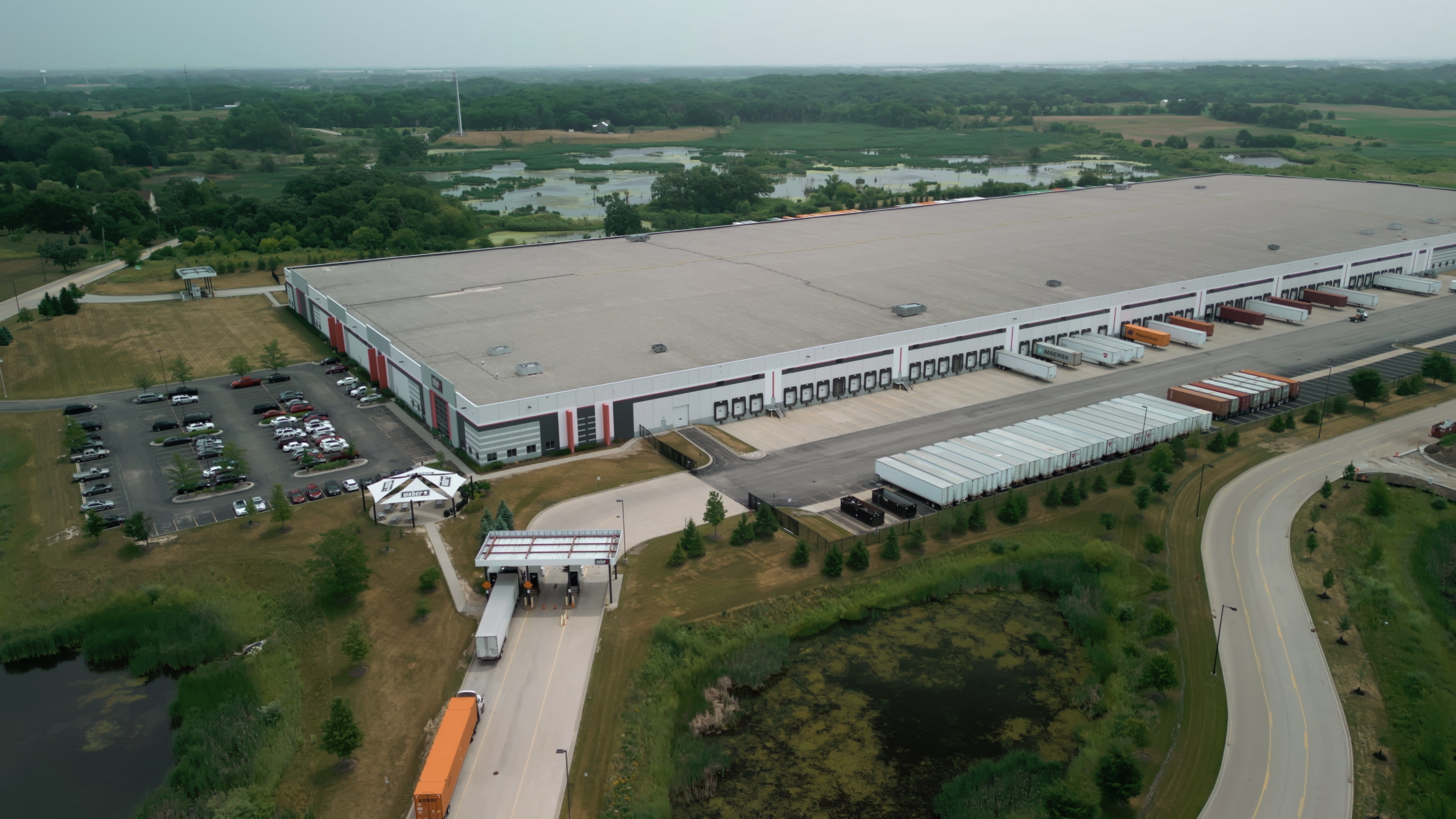
ArcBest plans to close 10 service centers operated by its less-than-truckload division ABF Freight, representing around 1% of its network doors, and reduce its head count by 2%.
FreightWaves
Why the LTL Sector Is Consolidating
ArcBest is not moving in isolation. Smaller LTL carrier Mountain Valley Express confirmed it ceased operations as of July 7, per FreightWaves — a Manteca, California regional player with 13 terminals across California, Arizona, and Nevada that had touted aggressive growth goals just nine months earlier. A prolonged freight downturn and tight lending are squeezing undercapitalized fleets at the small end while pushing the big carriers to optimize networks. The ABF consolidations also constitute a change of operations under the National Master Freight Agreement with the Teamsters, subject to approval by the joint union-management committee.
What It Means for Dispatchers and Shippers
When an LTL carrier consolidates terminals, the practical effects are rerouted freight, longer transit through hub facilities, and occasional service disruptions in the affected smaller markets. If you broker or dispatch LTL, or move partial loads for carrier clients, the time to check exposure is now — before a shipment is already in transit through a closing terminal.
- Map your LTL exposure: Identify any lanes that route through smaller-market ABF service centers and ask your rep which centers are closing.
- Line up a backup carrier: Have a second LTL option priced and ready for the affected regions before you need it.
- Tighten receivables on distressed carriers: With small LTL players folding, shorten terms and verify financial health before extending credit.
- Reset transit-time expectations: Warn shipper customers that consolidated networks can add a day in affected lanes.
- Watch the July 29 earnings call: ArcBest’s Q2 report will clarify whether more network changes are coming.

What to Watch Next
ArcBest reports Q2 earnings July 29, and that call — alongside the $76.5 million impairment landing in the same quarter — will show how deep the LTL margin pressure runs. Combined with Mountain Valley Express’s shutdown and the broader wave of small-carrier distress, the direction is clear: LTL is consolidating from both ends. Independent dispatchers who map their exposure, keep a backup carrier ready, and tighten credit on shaky partners will ride out the shakeout in far better shape than those who find out a terminal closed only when a shipment stalls.