

More than 94% of carriers charge detention, yet fewer than half ever collect it — and that gap is one of the largest, most fixable leaks in an independent dispatcher’s book. Detention and accessorial pay are not favors a broker grants; they are charges your carrier earned. The difference between a desk that collects and one that does not is rarely negotiation skill. It is a documentation system run the same way on every single load.
The Money You Are Leaving on the Table
The average driver waits about 3.5 hours at a shipper or receiver, and many waits run well past five or six hours, according to American Transportation Research Institute data cited by O Trucking. Detention typically starts after a two-hour free window and pays $25 to $100 per hour depending on load type and market. Yet despite 94.5% of carriers charging it, fewer than 50% of detention claims actually get paid, as TRADLINX documents. The result: the typical owner-operator leaves thousands of dollars uncollected every year, and the FMCSA estimates excess detention costs the industry well over a billion dollars annually, a figure summarized by OTR Solutions.

The Four-Step Recovery System
Treat detention like any other line item: defined terms, real-time documentation, and prompt billing. The carriers who get paid follow the same four steps on every load, a workflow detailed by both Truckstop and American Truckers.
- Lock the terms before you accept. Scan the rate confirmation for the free-time window and detention rate. Push 4-hour free clauses down to 2 hours and confirm $50 to $100 per hour in writing before dispatch.
- Document arrival in real time. Have the driver send a timestamped photo of the truck at the gate, the appointment time from the rate con, and the actual load/unload start.
- Notify the broker before free time expires. A message like “Checked in 9:00 AM for a 9:30 appointment, still not loading as of 11:45 — please confirm detention approval” creates a written timeline and pressures the facility.
- Submit the claim with the invoice. Attach the stamped BOL, check-in and release times, and broker messages the day the load delivers — not a week later.
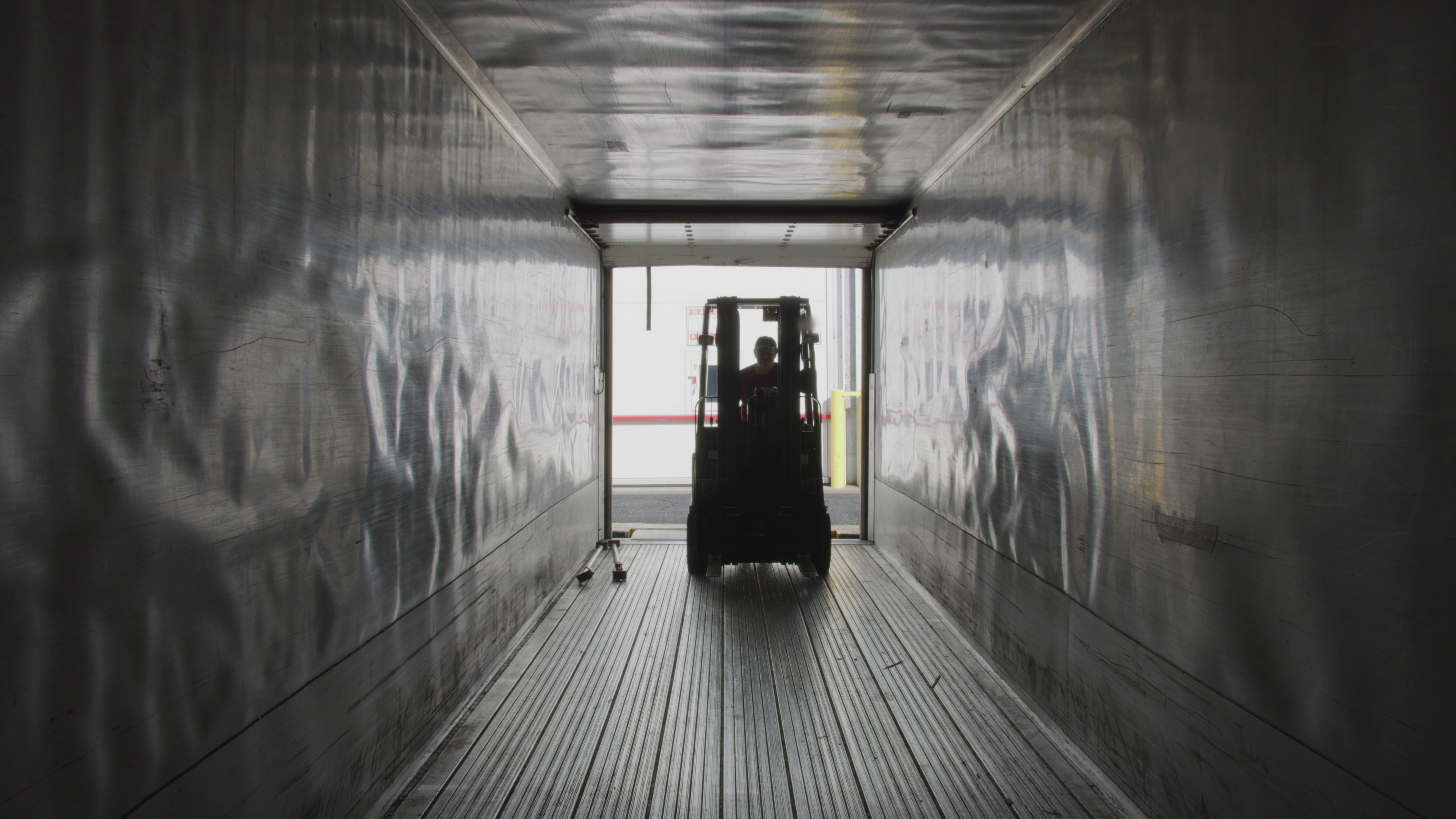
Take photos, save messages, ask for stamps, and send updates before the broker asks. When you do that, detention pay turns from “maybe” to “routine.”
American Truckers, Detention Pay Guide 2026
Beyond Detention: The Accessorials You Forget to Bill
Detention is only the most common accessorial. The same documentation discipline applies to layover, truck-order-not-used, stop-off, tarp, and lumper charges — each tied to time, labor, or a change the shipper caused. Build a standard accessorial schedule into your carrier packet so every broker sees the same numbers, and your drivers know exactly what to capture. Average claim processing runs anywhere from 7 to 90 days, so the cleaner the paperwork, the faster the cash.

Make It a System, Not a Scramble
The dispatchers who collect detention are not better negotiators — they are better record-keepers. Put the four steps into a one-page SOP, drop the accessorial schedule into your carrier packet this week, and require timestamped check-in photos on every load. Do that consistently and a leak that quietly drains thousands of dollars a year becomes a predictable, recoverable line on every invoice. Start the new process on your next load, not next quarter.