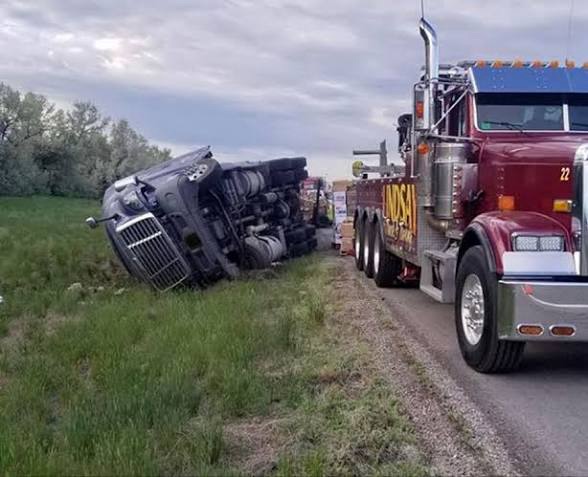
Every year, carriers open their renewal packets expecting a small bump—and instead see another gut punch. Trucking insurance is going through the roof. For some, premiums have doubled in the last five years.
Owner-operators are frustrated. Fleets are trimming coverage just to stay afloat. New entrants are getting hit hardest.
The question isn’t if rates are rising—it’s why they keep rising and what’s coming next. And if you’re dispatching or managing small carriers, understanding this side of the business could save your clients thousands.
Let’s unpack what’s really driving these costs, where it’s headed, and how dispatchers and small trucking companies can fight back.
The Real Reasons Insurance Keeps Going Up
There’s no single villain here. Rising premiums come from a storm of factors—legal, economic, and operational—that all landed at once.
1. Nuclear Verdicts Changed the Game
Ten years ago, a $1 million accident claim was major. Today, verdicts exceeding $10 million are so common they’ve earned a nickname: nuclear verdicts.
Attorneys learned that trucking companies often carry high limits, and juries have grown sympathetic to injury claims. A single distracted-driving crash can wipe out an insurer’s profit margin for the year.
To offset that risk, insurance companies raise premiums across the board—especially on smaller carriers who don’t have deep pockets or in-house legal teams.
2. Repairs and Medical Costs Have Skyrocketed
Modern trucks are safer, but they’re also loaded with sensors, cameras, and electronic components. A fender-bender that once cost $4,000 now costs $15,000.
On the human side, medical inflation keeps climbing. Hospital stays, rehab, and lost-wage claims all feed into higher payouts.
The math is simple: bigger claims equal higher premiums.
3. More Claims, From More Sources
It’s not just wrecks driving the cost. Cargo thefts, weather damage, staged accidents, and even cyber-related losses are rising. Each one chips away at insurer margins.
Even dispatchers feel it. When your carrier files frequent cargo or downtime claims, insurers tag them as “high-risk.” That designation follows them from renewal to renewal, raising costs even when the operation improves.
4. Shrinking Competition
Plenty of insurers have quietly exited the trucking space altogether.
Some left because claims got too unpredictable. Others merged into larger firms that tightened underwriting standards.
With fewer companies competing for your business, there’s less incentive to keep prices reasonable.

Who’s Feeling the Squeeze
Everyone—but not equally.
• Independent Owner-Operators
For single-truck operations, insurance can easily eat 25–35% of total expenses. That’s crushing when freight rates are weak.
Many are forced to run under someone else’s authority just to access fleet-level coverage, giving up freedom in exchange for affordability.
• New Authorities
Fresh authorities get hit hardest. With no loss history, insurers view them as unpredictable. It’s not uncommon for startups to see quotes double what a seasoned carrier pays.
That’s why many new entrants turn to dispatchers for help managing risk—through safer lanes, lighter freight, and tighter scheduling.
• Mid-Size Fleets
Even 10- or 20-truck fleets aren’t immune. A few small losses or high driver turnover can spike renewal rates by 20% overnight.
How Small Carriers and Dispatchers Can Fight Back
Here’s where you get proactive instead of reactive.
1. Invest in Safety Culture
It’s cliché but true: safety pays.
Encourage your carriers to:
Install forward-facing dash cams. Conduct monthly safety check-ins with drivers. Track driver violations through their FMCSA portal.
Each clean inspection and safe mile helps insurers justify lower renewal quotes.
2. Leverage Telematics the Right Way
Many see telematics as “big brother.” But when used strategically, it becomes proof of professionalism.
Encourage your carriers to share telematics summaries with their insurance brokers at renewal time. Showing improved hard-braking rates or better fuel efficiency proves behavioral progress—something underwriters notice.
3. Clean Up Compliance Records
FMCSA BASIC scores, inspection histories, and out-of-service rates are public—and insurers look at them closely.
Make it part of your process to flag violations early and encourage corrective action. That kind of accountability can shave hundreds off monthly premiums.
4. Work With Insurance Brokers Who Specialize in Trucking
Not all agents understand this business. Find ones who work exclusively in transportation—they have access to niche markets that general agencies don’t.
A good broker can help your carrier restructure coverage, remove unnecessary endorsements, and even negotiate telematics-based discounts.
5. Consider Higher Deductibles (Wisely)
Raising deductibles lowers premiums, but only if your carrier can absorb small losses.
For example, moving from a $1,000 to $2,500 deductible might cut liability premiums by 8–10%.
6. Bundle Smart
Combining cargo, liability, and physical damage under one insurer often unlocks multi-policy discounts. It also streamlines claims and reduces paperwork headaches for dispatchers managing multiple carriers.
7. Document Everything
Carriers who keep detailed accident records, maintenance logs, and driver training files present less risk.
Encourage your carriers to digitize documents—insurers reward organized operations.
Final Word
Insurance will always be one of trucking’s biggest expenses—but it doesn’t have to be the one that breaks your business.
Dispatchers and small carriers who stay proactive—tracking safety data, tightening compliance, and partnering with the right brokers—can control more of the outcome than they think.
Because at the end of the day, insurance companies don’t raise rates to punish trucking. They raise them to reflect risk.
So the real play isn’t to wait for cheaper premiums.
It’s to become the kind of operation insurers fight to keep on their books.
Safer trucks, cleaner records, and smarter dispatching—that’s how you lower costs in a market where everything else is climbing.