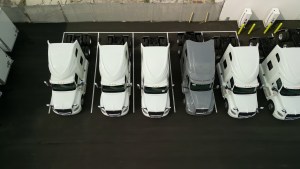

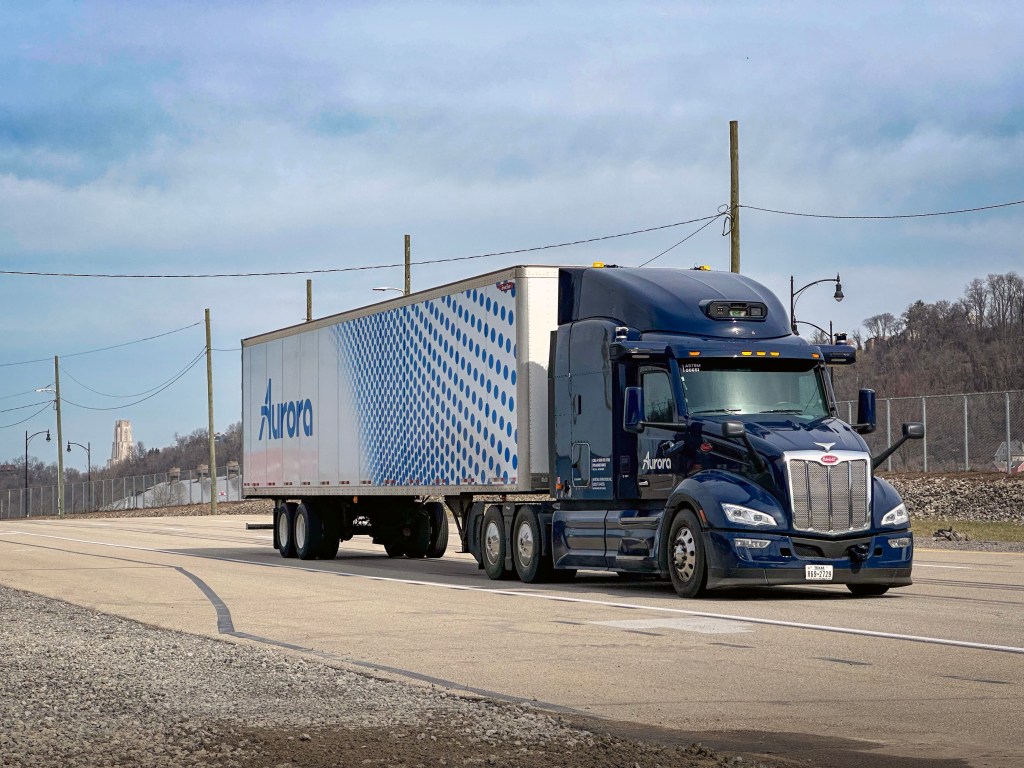
Hirschbach Motor Lines, a major Iowa-based refrigerated carrier, has signed a non-binding memorandum of understanding to deploy 500 Aurora Driver-equipped autonomous trucks starting in 2027 — the largest committed Class 8 AV order disclosed publicly to date. Per Aurora’s announcement, the deal is structured under Aurora’s Driver-as-a-Service model in which Hirschbach owns the trucks while subscribing to the Aurora driving system. If finalized, the agreement would support up to 500 million driverless miles across Hirschbach’s network and represent a multi-year revenue stream for Aurora valued in the hundreds of millions of dollars, per Heavy Duty Trucking’s coverage. The framing matters as much as the number: Hirschbach explicitly cast the order as a long-haul capacity strategy, not a driver-replacement headcount play.
The Deal Structure: What Hirschbach Actually Committed To
The MoU disclosed by Aurora and reported across CCJ and Overdrive outlines three commercial pillars. First, Hirschbach owns the trucks and bears the capital cost of the tractors. Second, Hirschbach subscribes to the Aurora Driver on a recurring per-mile or per-truck basis under the Driver-as-a-Service framework, which is Aurora’s preferred model for keeping the business capital-efficient and high-margin. Third, the final binding agreement is expected later this year, with deliveries starting in 2027. Aurora and Hirschbach disclosed that to date the Aurora Driver has delivered more than 2,000 loads and logged over 800,000 miles for Hirschbach during the prior testing relationship — the foundation of trust behind the 500-truck commitment.

Why “Long-Haul, Not Driver Count” Is the Framing That Matters
The most-cited analysis of the deal is the Carrier Atlas Freight Intelligence read, which argues that Hirschbach is explicitly addressing a structural long-haul capacity problem rather than a labor-cost problem. As FreightWaves’ own framing puts it: the industry doesn’t have a driver shortage — it has a long-haul problem. The modern driver workforce is not positioned to cover the 1,000–mile-plus single-stretch runs that shippers continue to demand, and the realistic options are autonomous trucks, relay models, intermodal expansion where it fits, or accepting that certain loads don’t move on time. Hirschbach’s long-term strategy combines autonomous trucks for the long-haul fixed-lane work with human drivers running shorter regional routes that allow for more home time — a hybrid model designed to keep drivers employed in the segments they prefer while autonomous capacity backfills the segments they don’t.
“If finalized, the deal would support up to 500 million driverless miles across Hirschbach’s network while creating a multi-year revenue stream for Aurora valued in the hundreds of millions of dollars.”
Aurora Innovation press release, April 30, 2026
What the Hirschbach Order Means for the Rest of the Industry
The deal is the largest single committed buy of autonomous Class 8 trucks publicly disclosed by a major fleet, and it lands on the heels of Aurora’s May announcement that the carrier tripled its driverless commercial network and signed McLane’s restaurant supply chain. The 500-truck Hirschbach commitment is now the volume reference point that other carriers will be benchmarked against. Automotive World notes the partnership extends an existing testing relationship, which is the credibility moat Aurora has been working to build for years.
Five Things Independent Carriers Should Track Going Forward
- When the binding agreement actually executes. The non-binding MoU is a directional commitment; the binding agreement later this year is what locks delivery schedule, price-per-mile, and exclusivity terms. Expect that document to be summarized in Aurora’s Q3 or Q4 2026 earnings release.
- Which long-haul lanes Hirschbach deploys first. Aurora’s validated 1,000-mile Fort Worth–Phoenix corridor is the obvious starting point. The second corridor is the one that signals geographic ambition.
- Whether competing carriers move within 90 days. Once a 500-truck commitment is public, the next major refrigerated and dry-van fleets running structurally driver-short long-haul lanes face a strategic decision — match Hirschbach’s commitment or accept that they’ll be the second mover on the lane.
- How insurance markets price the Driver-as-a-Service liability split. Carrier-owned truck, Aurora-supplied driving system — the liability split for negligence on a driverless mile is the unsettled commercial question, especially in the post-Montgomery v. Caribe Transport II environment.
- The FMCSA ADS framework targeted for May 2026. FMCSA has been working on a proposed rule for inspection and maintenance of ADS-equipped commercial vehicles, expected this month per HVI’s 2026 rule-changes review. The framework will determine how Hirschbach’s 500 trucks get inspected at roadside in actual operation.

What Happens Next
Watch for Aurora’s next quarterly earnings disclosure for the per-mile economics underlying the Hirschbach commitment — that is the single number every other fleet evaluating Aurora’s Driver-as-a-Service will be running against their own operating cost. Watch for FMCSA’s ADS inspection framework, which lands this month. And watch for the second major-carrier MoU — once Hirschbach moved publicly with a 500-truck number, every other long-haul fleet running into the same driver-availability ceiling now has a benchmark to either match or actively decline. The autonomous trucking story is no longer about whether the technology works; it is about how fast the freight-market structure rotates around the carriers who buy it first.