

Detention pay is the single largest recoverable revenue line on a small carrier’s P&L — and the most consistently surrendered. Industry data from TRADLINX shows 94.5% of carriers charge detention, but fewer than 50% actually collect it. The average claim takes 7 to 90 days to process, and the delta between carriers who get paid and carriers who don’t comes down to documentation discipline at the moment the clock starts, not who yells louder at the broker three weeks later. This article is the 7-step recovery system independent dispatchers can run on every load to push collection rates above 80%, capture the $400–$1,200 per stop most solo operations write off, and turn detention into a billable line item brokers stop arguing about.
Why the Industry Collection Rate Sits Below 50%
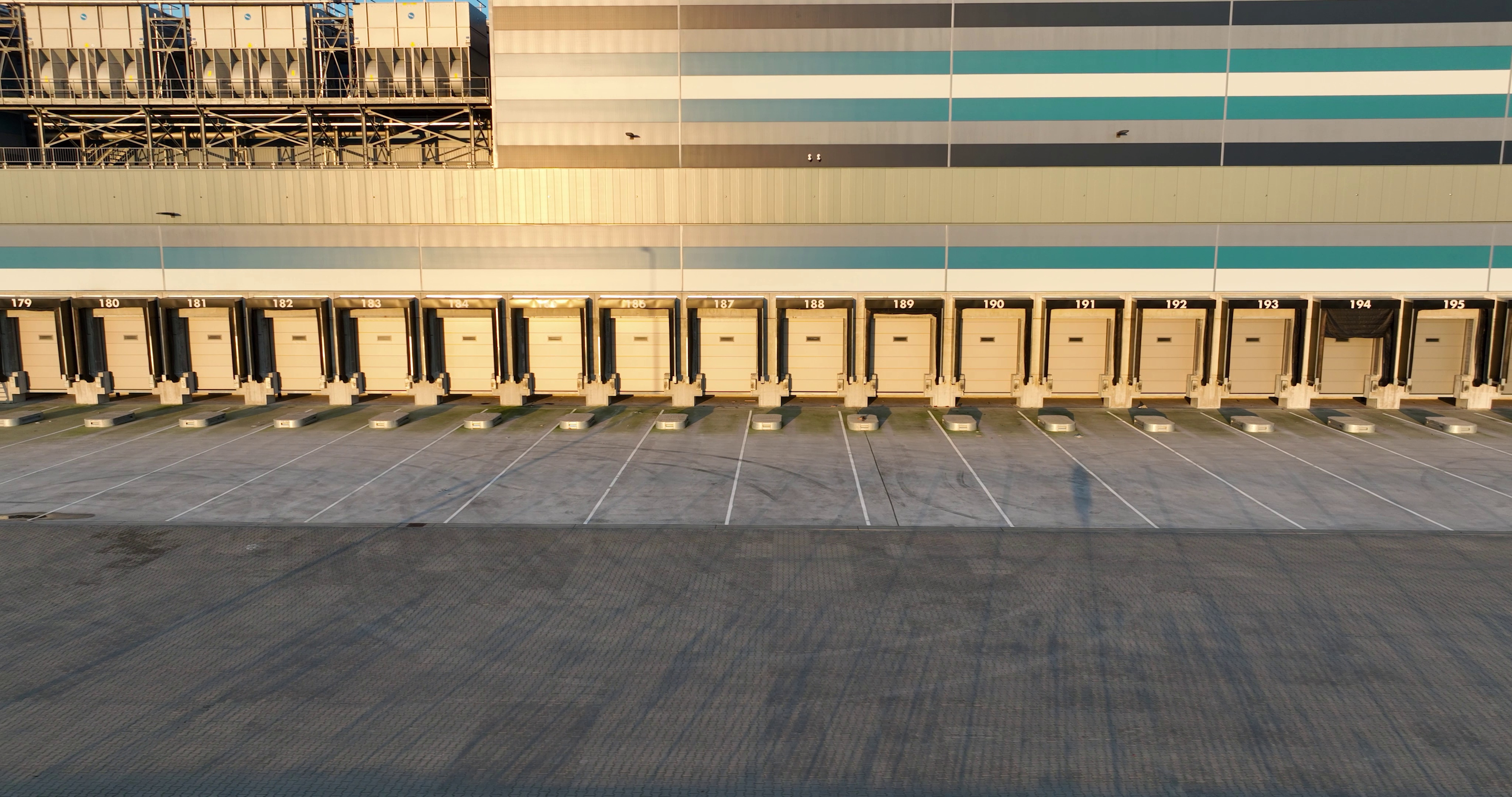
Most facilities offer a 2-hour free window before detention starts accruing at a pre-negotiated hourly rate — usually $50–$75/hour on broker tenders, higher on direct shipper contracts. The problem is not the math. The problem is that most claims are denied on one of three procedural failures: the rate confirmation never specified detention terms, the driver did not capture in/out timestamps a broker can corroborate against shipper records, or the carrier waited too long to submit the claim and the broker had already cleared the load file. Independent dispatchers who don’t run a process around all three of these failure points pay the 50% tax every month — and they don’t even see the leak.
The 7-Step Detention Recovery Framework
The process below is sequenced from the moment the rate-con arrives to the day the claim posts to the carrier’s remittance. Every step is intentional and every step blocks a specific category of denial.
- Read the rate confirmation for detention language BEFORE booking. If detention terms are missing, request them in writing via email reply before tendering the load. The reply email itself is the documentation. Industry-standard language sets free time at 2 hours and detention at a fixed hourly rate after that.
- Brief the driver on arrival and departure timestamp capture. Photograph the gate sign or facility entrance with the phone’s timestamp visible. Re-photograph at departure. Two photos protect the entire claim window.
- Log arrival in the TMS or trip sheet within 15 minutes of the actual time. A real-time entry is documentation; a backfilled entry from memory the next day is a guess and brokers know it.
- Hit the 2-hour mark with a proactive ping to the broker. A one-sentence text: “Driver arrived 0945, currently at 2-hour mark, detention accruing per rate-con.” This single message blocks 70% of broker denials because the broker now has knowledge of the clock in real time.
- Get the signed BOL with in/out times in the receiver’s ink. The signed bill of lading is the gold standard. If the shipping clerk refuses to write times, photograph the clock at the dock and capture the BOL signature with the visible clock in the same frame.
- Submit the detention invoice within 24 hours of POD upload. Most denial language hinges on “untimely claim.” Submit at the same time as the POD and the broker cannot use stale-claim language. Include: signed BOL, timestamp photos, and a one-line summary of the math.
- Follow up at 7, 14, and 30 days, then escalate. A short, dated email cadence forces the broker’s accounts payable to choose between paying or escalating internally. Most operations that hit 85% collection credit the follow-up cadence, not the original claim quality.
“Less than 50% of detention and accessorial claims are paid — despite 94.5% of carriers charging them. Average processing time ranges from 7 to 90 days, with delays driven by unclear terms and missing paperwork.”
TRADLINX accessorial benchmarking report
The Carrier-Level Math: Why This Is Worth the Process
Run the numbers against a typical one-truck operation. A driver pulling 4–5 loads per week will hit detention on roughly 1 in 3 stops — call it 6 detention events per month. At $50/hour with an average 3 hours over free time, that is $900 per month per truck if the dispatcher collects 100%. The industry-average 50% collection rate means $450 booked, $450 written off. Move the operation to 85% — the level the 7-step framework above produces — and the same truck nets $765/month, a $315 swing that compounds to $3,780/year on a single truck. Scale that across 4–5 carriers on a dispatcher’s book and detention recovery is a five-figure annual revenue line built on process discipline, not negotiation.
The Three Documentation Artifacts Every Claim Needs
- The original rate confirmation with detention terms in the body. If the rate-con is silent, the broker’s default policy applies — and the default policy is almost always shorter free time and lower hourly rates.
- The signed BOL with in/out times in the receiver’s handwriting. Per Truckstop’s detention guide, the signed BOL is the document that survives every dispute escalation.
- Driver photo evidence with visible timestamps. Smartphone EXIF data is admissible documentation. The gate-sign-plus-timestamp photo is the lowest-effort, highest-leverage piece of evidence on the entire claim.

Where to Start This Week
Pick the next load on the board and run all 7 steps cleanly through to collection. The single biggest behavior change for a dispatcher running this framework for the first time is the 2-hour broker ping — it feels confrontational the first time and routine by the tenth. Memorial Day weekend is the right week to start because holiday loads are the most likely to run long at receivers, and the detention math is most generous when shippers are short on weekend labor. Build the muscle memory now and the framework runs itself through the higher-volume summer freight season.